















In the bustling world of brands, some captivate through their storied past, others through their universal appeal. Often labeled, rightly or wrongly, as “heritage” or “iconic,” these brands spark imagination and loyalty.
But are these terms interchangeable? Do they represent opposing forces or complementary facets of the same ambition: to leave a lasting impression and stand the test of time?
At CBA, we dive into these dynamics with you. Because understanding the difference between a heritage brand and an iconic brand is more than a matter of semantics, it’s a critical factor in defining your positioning, activating the right levers, and ensuring long-lasting, memorable desirability.

The heritage brand: deep roots in legacy.
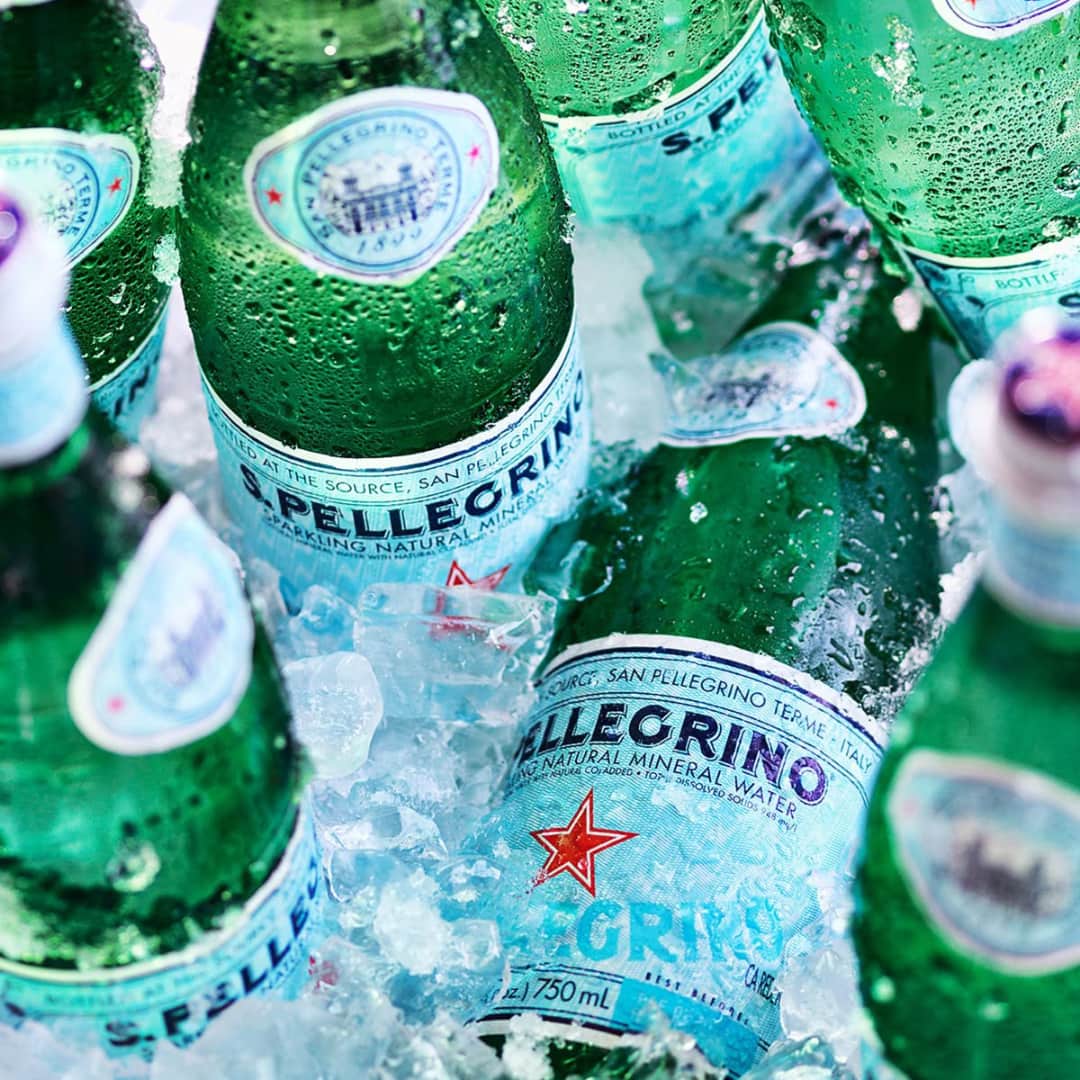
Picture a brand that has not just survived generations but has embodied the passage of time. That’s the essence of a heritage brand. It’s the guardian of legacy, craftsmanship, and a story woven into collective memory.
Its pillars? Unshakable authenticity, the transmission of unique expertise, a sense of positive nostalgia that fosters deep emotional connections, and a rich history that serves as its foundation. A heritage brand is an anchor, a symbol of transmission, often tied to a strong regional or national identity. It evokes shared memories, trust, proven quality, and a certain way of life passed down through time.

Credit: Marketing PGC
Credit: Maes Studio

Credit: Le Club des Saveurs
The iconic brand: universal inspiration and influence.
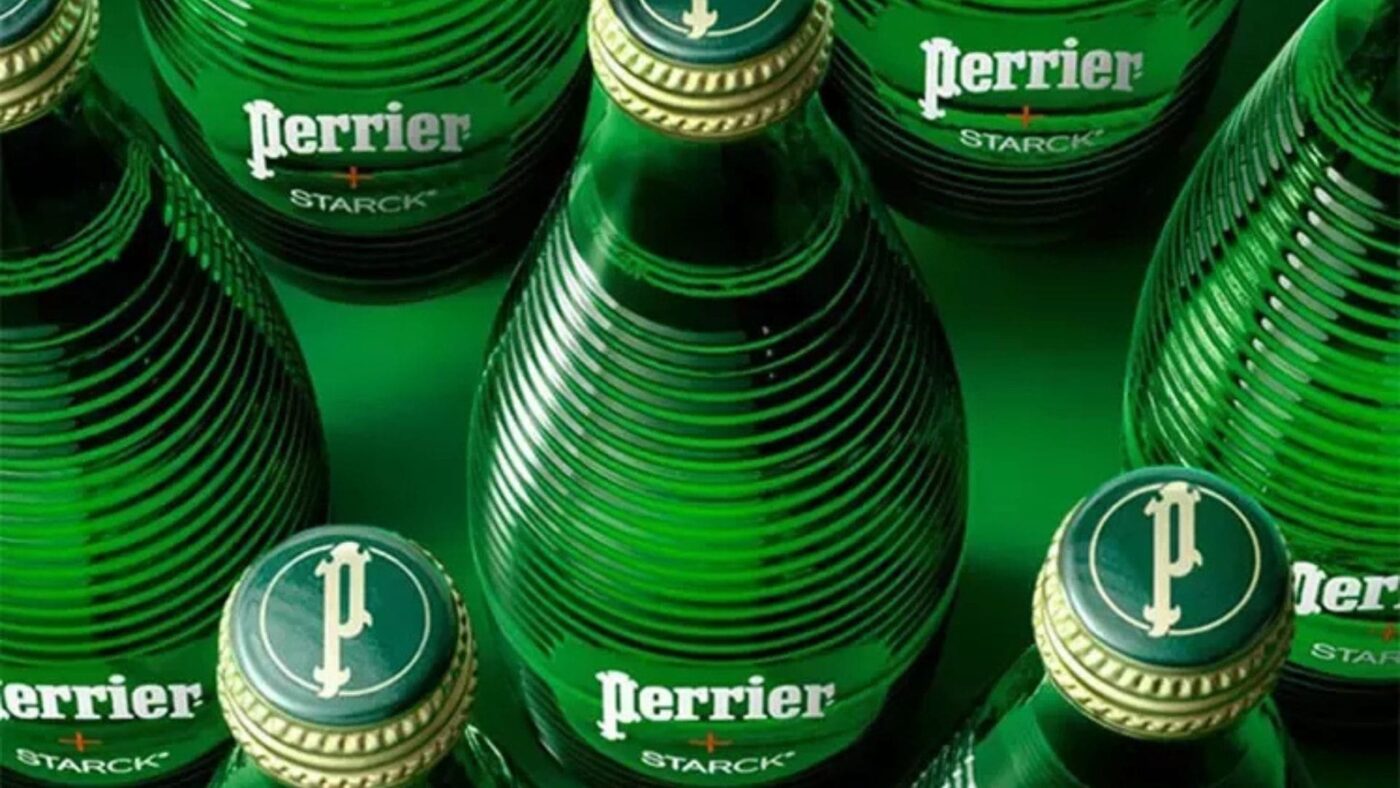
On a different axis, the iconic brand is a universal symbol, transcending borders and cultures. Its power lies not in its age but in its ability to embody an idea, a concept, a shared aspiration.
Its attributes? Instant recognition, the ability to inspire and set trends, and an almost mystical aura that makes it widely desirable. The iconic brand often represents a breakthrough, a bold vision that redefined its category. It’s a model, a beacon that guides and influences.
It knows how to remain true to its essence while staying relevant to the times, innovating, surprising, and even accelerating major societal shifts.

Credit: France 3 Régions
Credit: Nestlé
Duel or complementarity? A strategic map.
Confusion is common, as some brands manage to hold both statuses. A brand can be deeply heritage-driven through its history and craftsmanship, yet become iconic through its reach and influence. Still, iconic status isn’t an absolute requirement for success.
The distinction is essential for your strategy:
If you are a heritage brand: Your challenge is maintaining authenticity while cultivating contemporary desirability. How do you honor your legacy without becoming outdated? How do you pass on your know-how to new generations?
If you aspire to become iconic: Your challenge is to spark that universal resonance, to transcend the product and embody a bold idea, while managing trend fatigue and brand dilution risks.
At CBA, we’ve developed a brand mapping system that goes far beyond these two categories. We identify the unique levers of each brand type, heritage, iconic, mainstream, cultural, or trend-driven, to help you define a powerful, distinctive brand strategy.
So, what is the true nature of your brand?
Understanding whether your brand is intrinsically heritage-based, has the potential to become iconic, or should operate on different registers, is the first step in building a successful brand. Only by identifying its true nature can you activate the right levers to make it shine.
Don’t let your brand drift aimlessly. Unlock its full potential by clearly defining its identity and trajectory.