Or select a location to continue to your local agency
It’s official, CBA opens its third studio in Asia and this time in Shanghai, China!
It’s 3 years after the opening of the studio in Singapore and the recent opening of the studio in Ho Chi Minh that CBA Design continues its implantation in Asia.
CBA is opening its third studio in the region and with its growing presence in Asia, the three offices merge and become a single entity: CBA Asia.
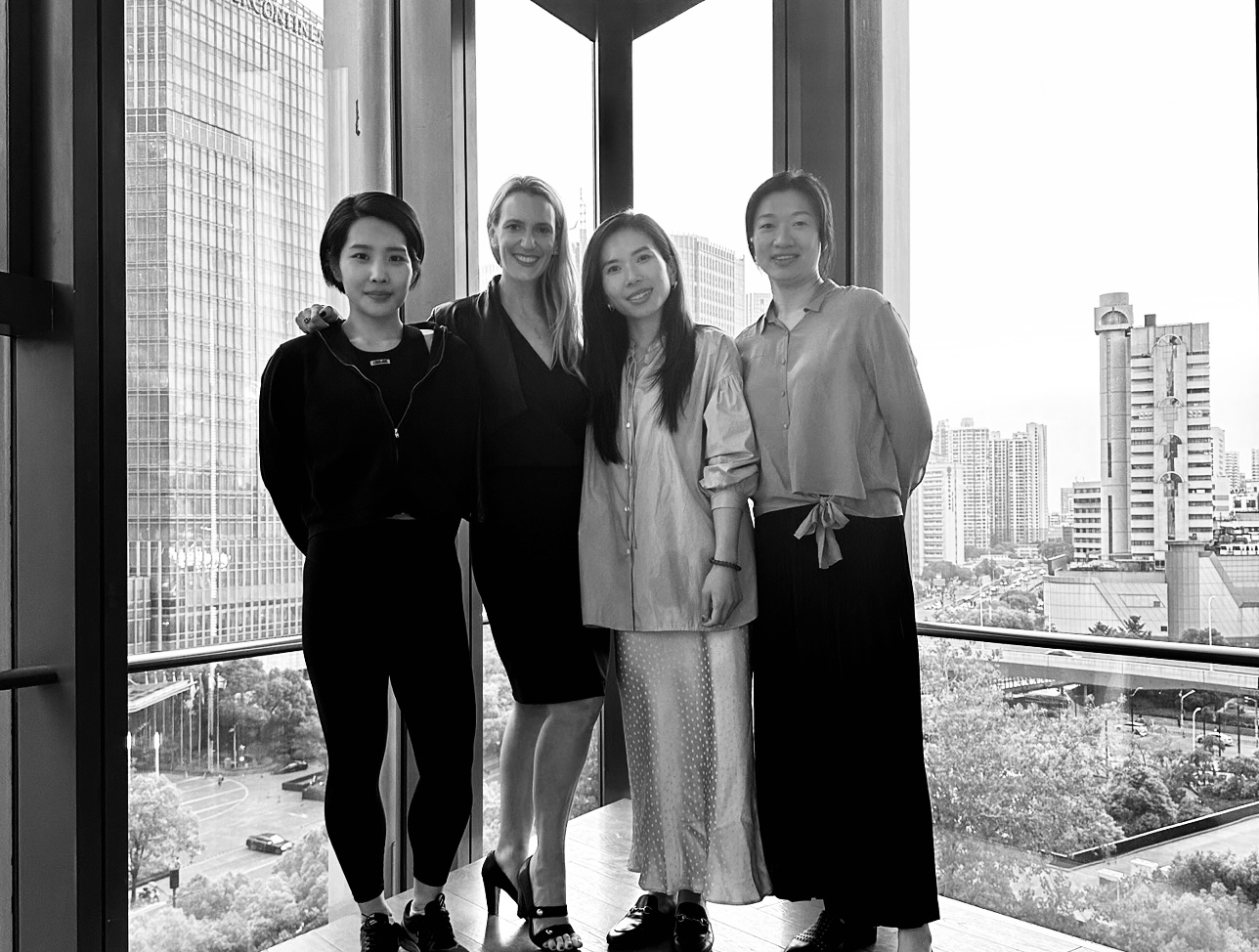
A studio opening led once again by Marion Micoud, Managing Director and supported by the recruitment of Ada Xu, Client Director, Olivia Qian, Graphic Designer et Bian Wu, Strategic Director. The studio is already well established with major clients such as Savencia, Unilever and Nestlé.
Great things in perspective!
”Meeting the needs of present generations without compromising the ability of future generations to meet their own ones.” – United Nations about food sustainability.
Food sustainability.
/ A major challenge of our time.
With sustainability becoming increasingly urgent in productive spheres, the agri-food industry stands at the forefront as one of the most concerned industries with this concept. Between fighting against waste and advocating for low ecological footprint consumption, sustainable food lies at the heart of tomorrow’s challenges.
But what role does design play in all of this? By combining creativity, functionality, and sustainability, design offers new perspectives to rethink our way of producing, distributing, and consuming food. It plays an essential role in creating innovative solutions that promote environmentally friendly and socially responsible food.
Whether it’s products, packaging, or food systems, let’s focus on the pillars of design that advocate for sustainability in food.
Eco-friendly packaging.
/ More than a trend: a necessity.
According to Ipsos, nearly 60% of French people plan to eliminate excessive packaging to combat climate change – a raised fist that pushes companies to adopt eco-friendly packaging strategies.
In the face of growing environmental impact, eco-friendly design plays a crucial role in reducing food waste. The use of recyclable materials allows for eco-designed packaging to drastically reduce the amount of plastic used.
Make way for biodegradable, compostable, and recyclable packaging, which offer thoughtful alternatives to single-use items.
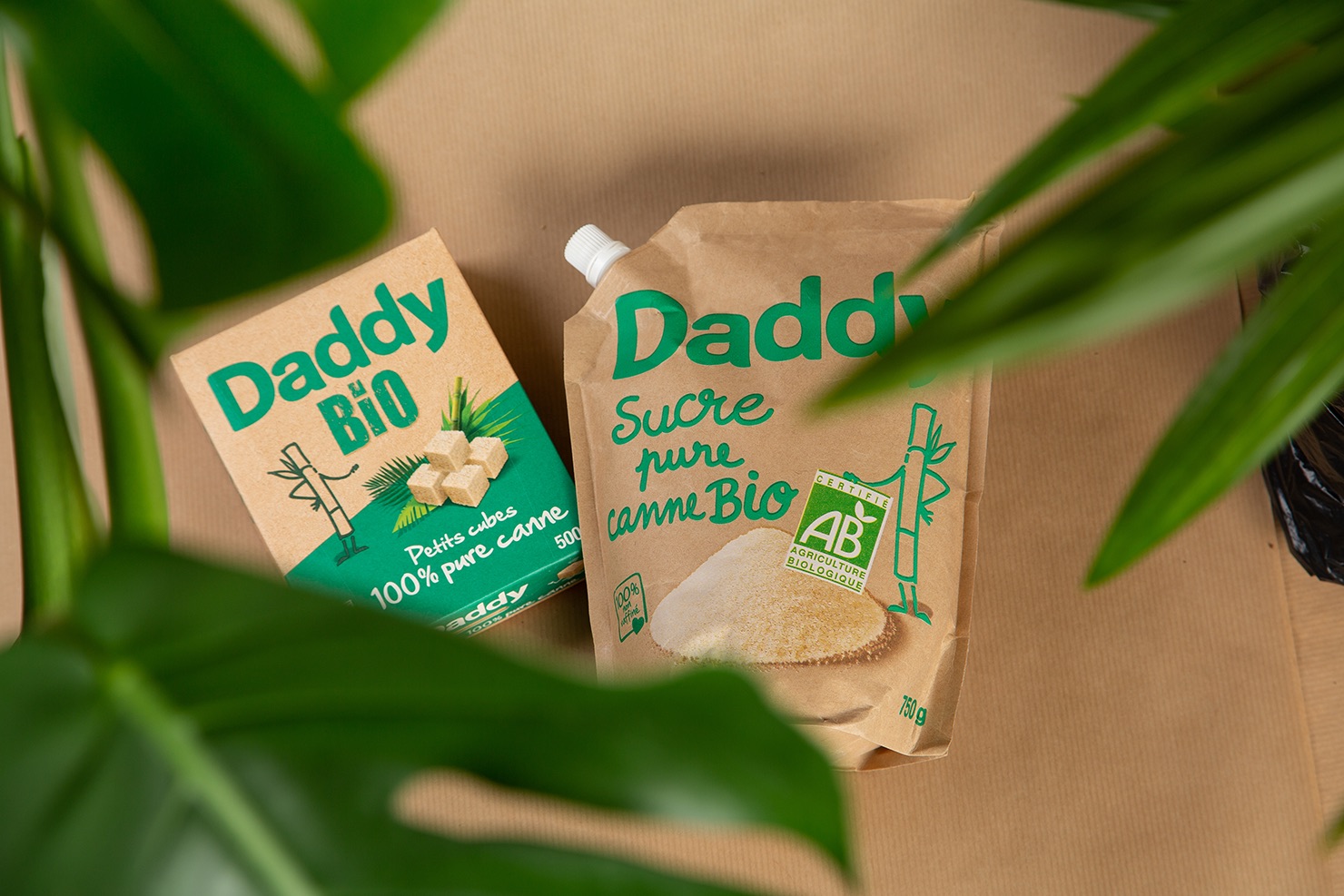
For nearly 15 years, DADDY has been collaborating with CBA Design to bring meaning back to the use of sugar by reinventing it in everyday life!
The agency has chosen a radical product innovation, kraft paper; a 100% recyclable packaging that significantly reduces its user’s environmental impact while remaining resistant to the most extreme conditions in pastry.
In concrete terms, this project reconciles meaning and utility for this historic brand.
Sustainability in our dishes.
/ A no-compromise standard.
Faced with pesticides, additives, and junk food, consumers no longer want to be carried along without knowing where they are headed. They need transparency; they more than ever need to know what they are eating.
Many designers are now reimagining the way food products are made. From the development of plant-based meat substitutes to the creation of healthy and nutritious snacks, food design emphasizes sustainable ingredients to meet the needs of the planet and health-conscious consumers.
In the face of the additives and ultra-processing industry, raw, local, and organic products are once again becoming a necessity – a return to the true sources of nature.
/ .nod, the brand that turns the tide.
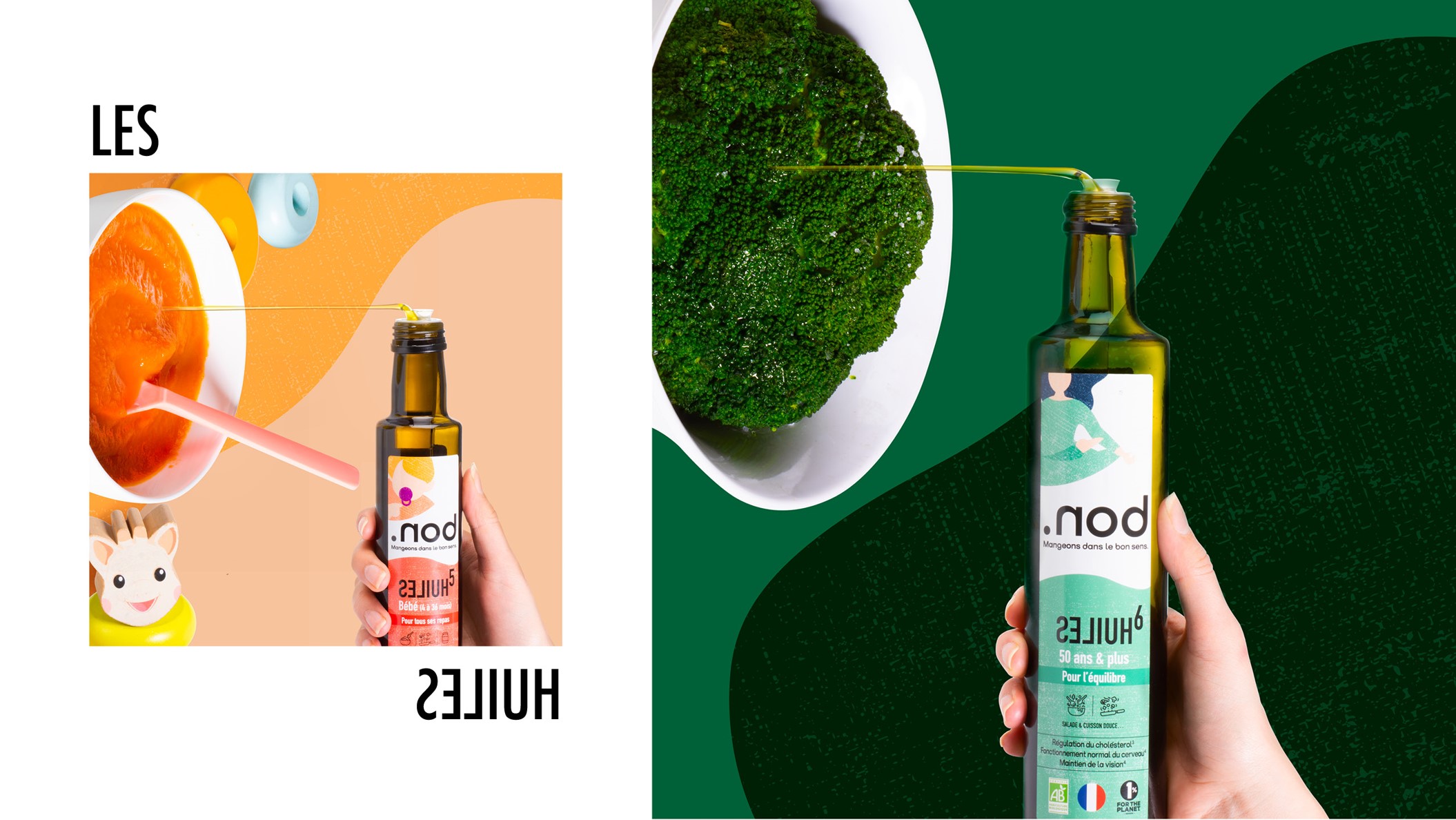
BIOFUTURE, a specialist in pesticide-free oils, has decided to change direction and advocate for a new standard: one that is good, with no compromise, for both us and our environment.
CBA Design supports them in creating their new brand, .nod, which exemplifies this fight by challenging what normality should be: eating in the right way.
Le design thinking.
/ Au service de systèmes alimentaires durables.
Design goes beyond individual products and also applies at the scale of food systems.
Creating shorter supply chains, optimizing logistics, reducing food waste… Design Thinking strategies answer numerous needs and promise a better future. In a world where 2.5 billion meals are wasted every year (Too Good to Go), an increasing number of innovative initiatives are emerging.
/ Too Good to Go, the no 1 app in food recovery
According to the government, 10 million tons of food are wasted every year in France.
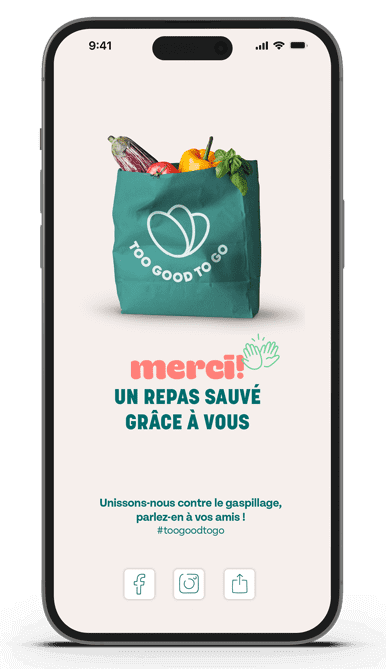
The Too Good To Go app allows for a significant impact by rescuing unsold items and transforming them into anti-waste baskets at very advantageous prices.
A pure Design Thinking product, thanks to an interface that “connects merchants with unsold items on their hands and residents ready to pick up baskets that would have ended up in the trash.”
Results?
Saves thousands of meals
Promotes bulk shopping and reduces packaging
Contributes to the circular economy
Supports the transition to a socially responsible food system.
Between creativity, functionnality and circularity.
/ When design reimagines the future of sustainable food.
Sustainable food is a complex challenge, but design offers remarkable opportunities to find innovative and creative solutions.
By encouraging collaboration between designers, brands, and consumers, let’s create a future where design and sustainable food go hand in hand to build a better world!