The reason why? Faster and cheaper delivery, online exclusive deals, easier returns and 24/7 availability. Even if many people still prefer the hands-on approach of shopping in a store, high street outlets are starting to suffer as more and more people chose the comfort of online shopping rather than bothering to leave the house.

The leading actor of the offline shelves is undoubtedly the pack, one of the first touchpoint with whom we get in contact with the brand. When we switch channel and we find ourselves surfing on digital shelves, what is its role? How does it change?

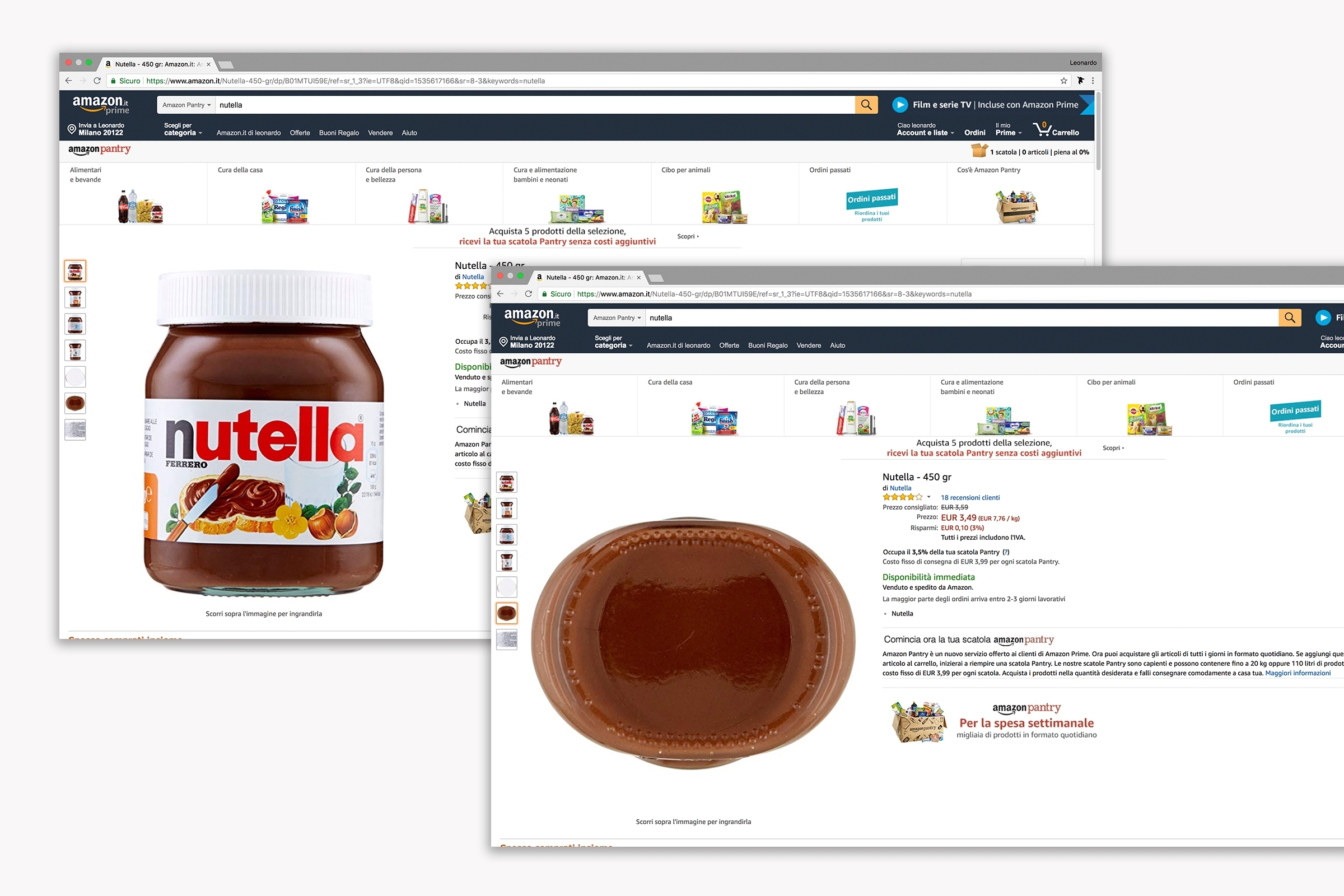
The colors of packs, their fonts and call to action, pounce upon us from offline shelves redirecting our attention and our choices. On the other hand, when we’re on the online shelf, the pack often loses completely its function and it becomes a search engine support, a slideshow that over and over portrays the product with little effect on the user. If offline I can touch, see and read the pack, online I just can “recognize” it (from far away).

CBA Insight RuoloPack 03

To deeply understand how the role of packaging changes online and how does it influence customer experience and purchasing choice, we went out in the field and talked with consumers. We did this in order to understand their purchasing behaviors and then we identified opportunity areas for brands and retailers as well as actions aimed at strengthening the relationship with their consumers online.

Cba Blog pack digital 3
CBA Blog pack digital 2

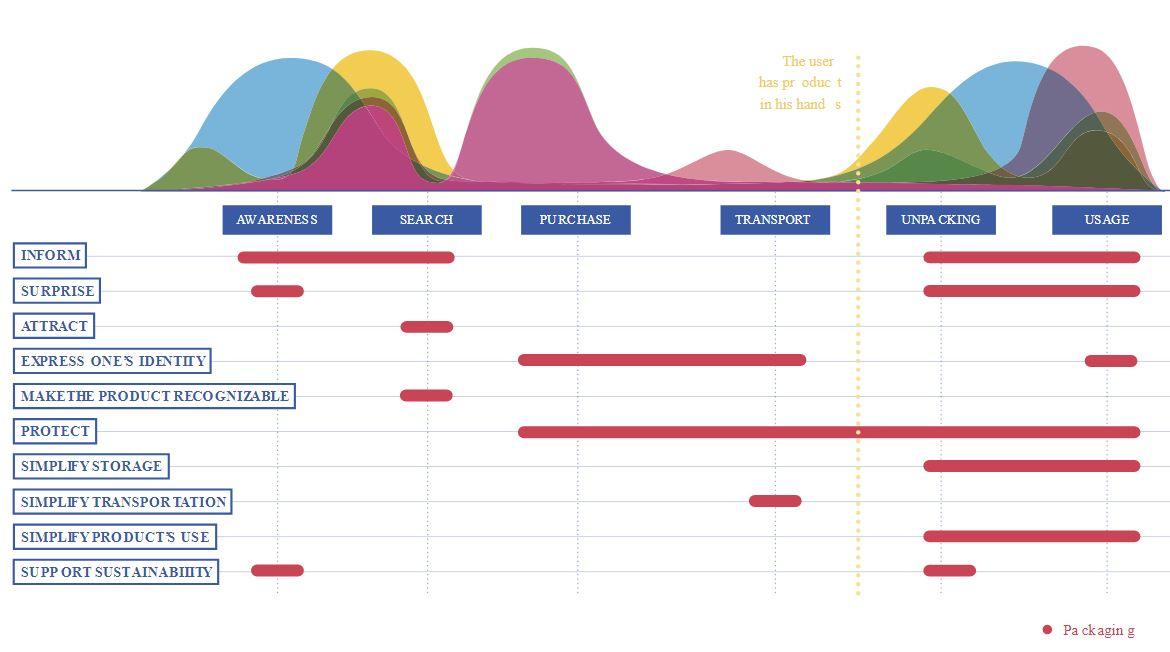
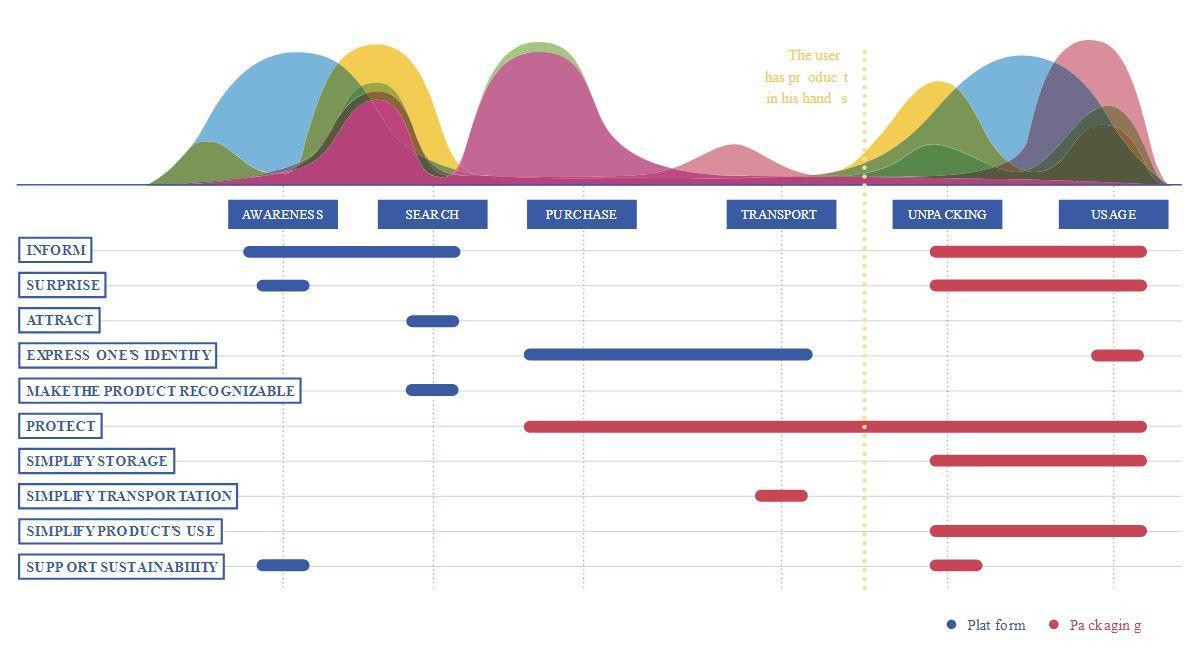
Offline, the packaging has always been crucial in the first stages of customer journey, where it orientates the products search, and in final stages, when we use the product and we store it in the larder. Differently from grocery offline shopping on the e-commerce platforms we can’t rely any more on packaging to attract and inform the customer on our products. On the other side, the central stages of customer journey – the using and the conservation of the product – are the first and unique phases in which online customer comes in contact with the packaging.

Provide engaging assets to better comunicate your product on the platform.

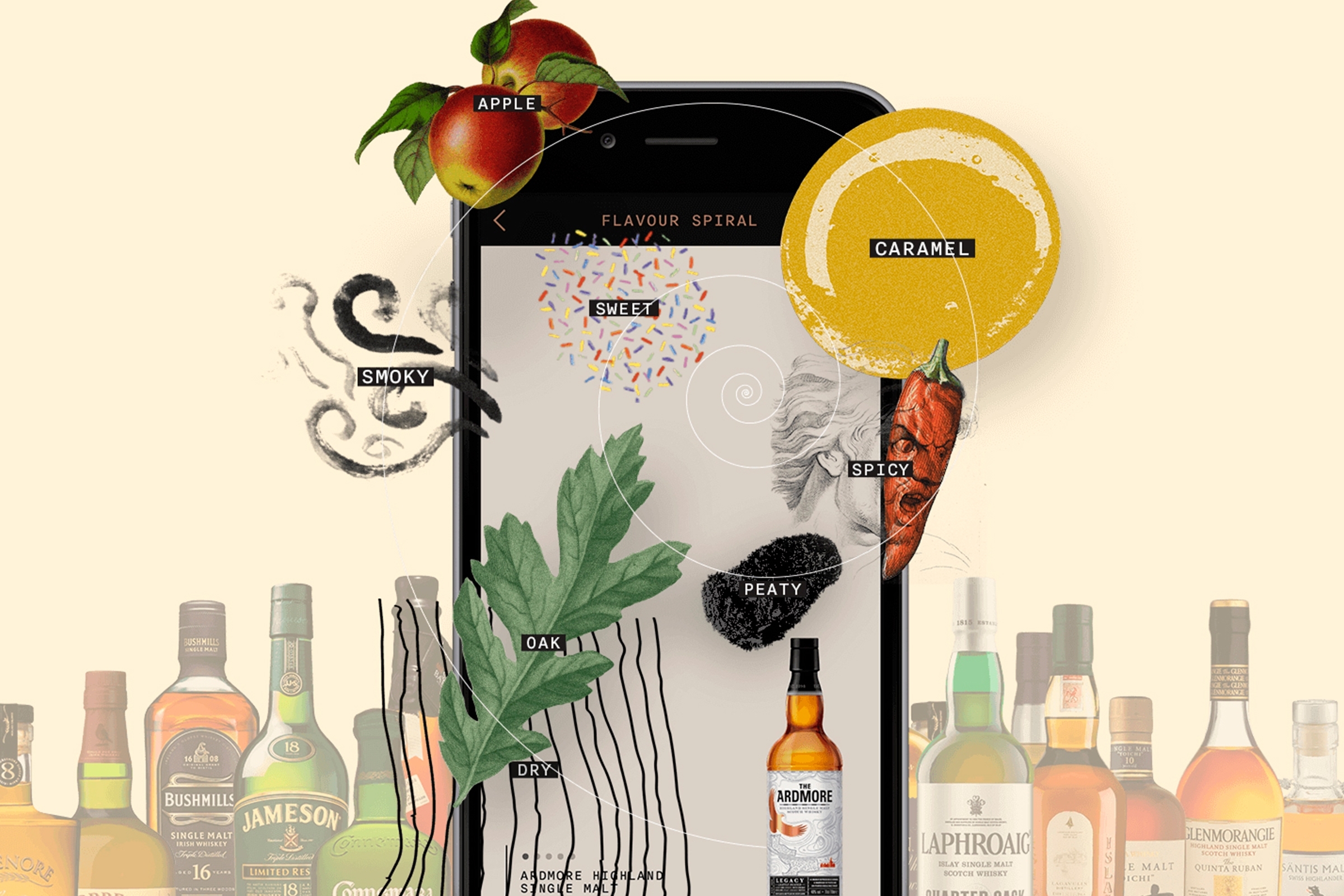
Goal number one of all the brands today is to be visible, easily recognizable on the platform and to be chosen among all the other products. Working on a strategy based on the creation of a series of emotional visual assets, varying from pictures to videos, to better visualize and understand the product. This will help the consumer’s navigation on the platform towards your product. This is what FLAVIAR proposes, alcoholic drinks brand, that presents users with visual depictions of the flavors associated with particular alcoholic drinks.

CBA Insight RuoloPack 04

Collaborate to improve the experience on the retailer platform

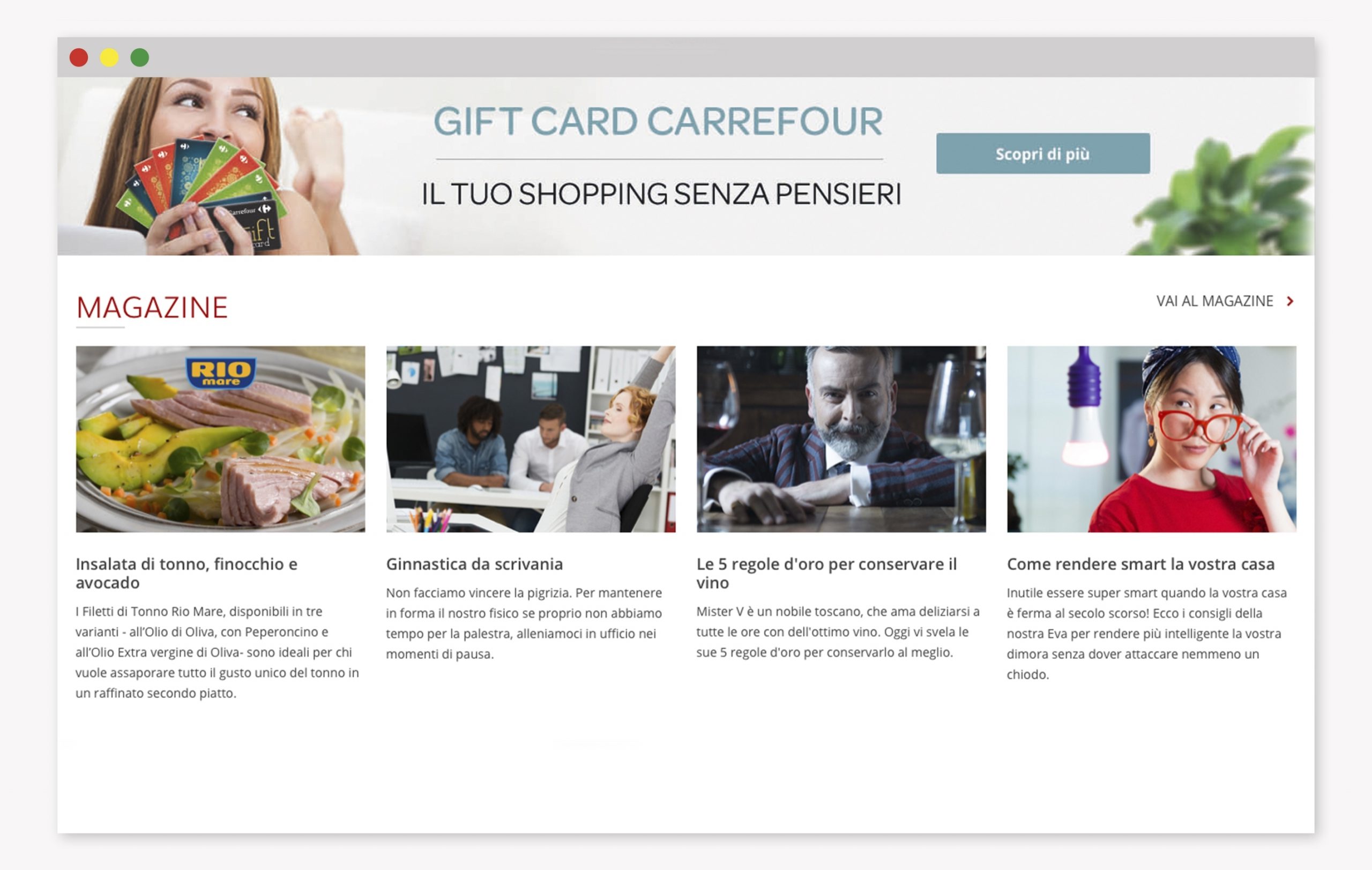
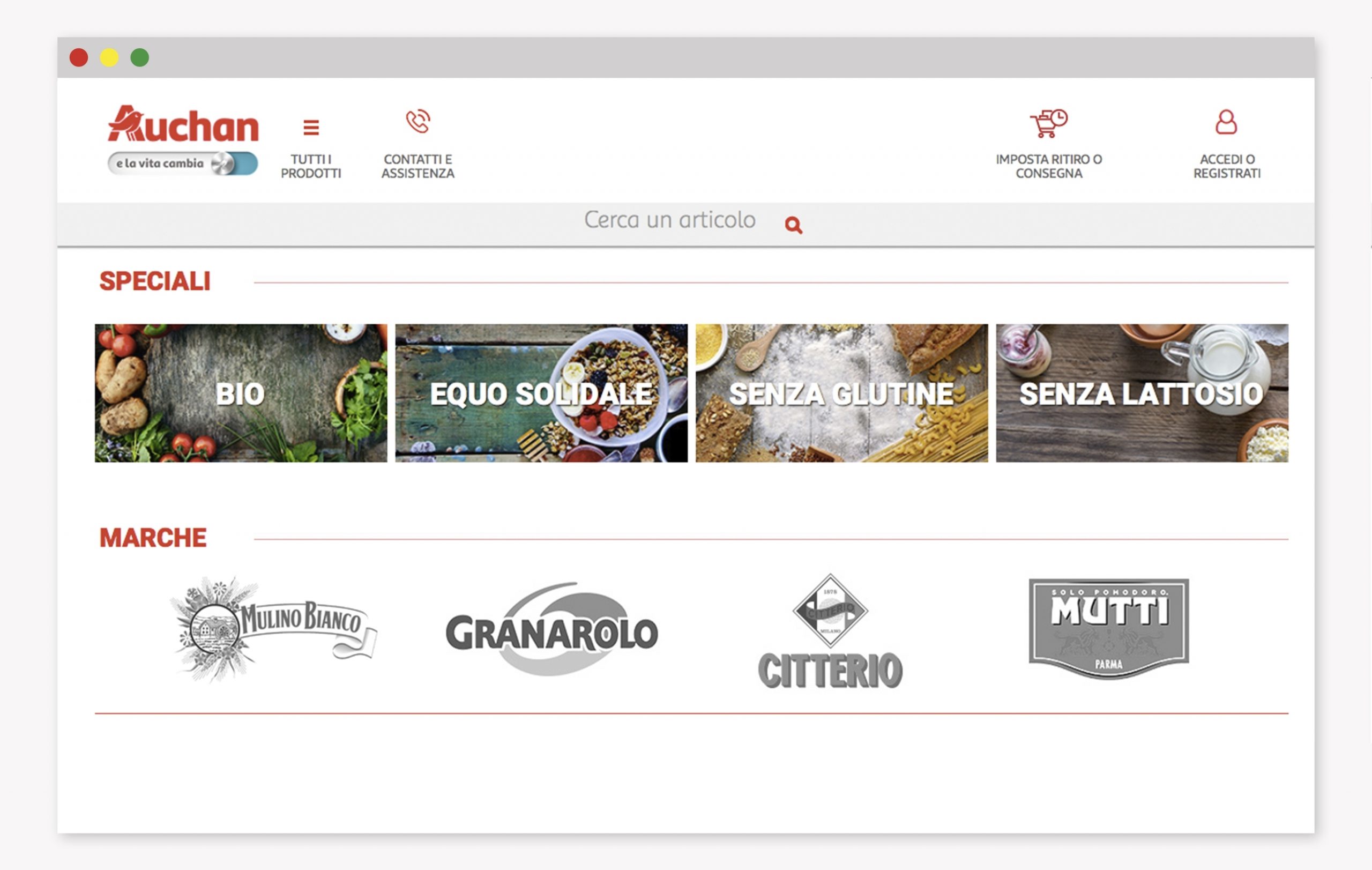
Collaborate to improve the experience on the retailer platform, in order to make your brand more visible than the others. When purchasing, online platforms are the ones taking the lead over products and packaging. There are several brands that, with specific agreements, get higher visibility on supermarkets’ online platforms. For instance, on Auchan’s e-commerce there are brands like Mulino Bianco, Granarolo, Citterio and Mutti that stand out on the homepage. Or on Carrefour website home there is a “magazine” section where brands like Rio Mare explain how to prepare the best tuna salads.

Create packaging dedicated to the online channel in order to solve new needs and expectations

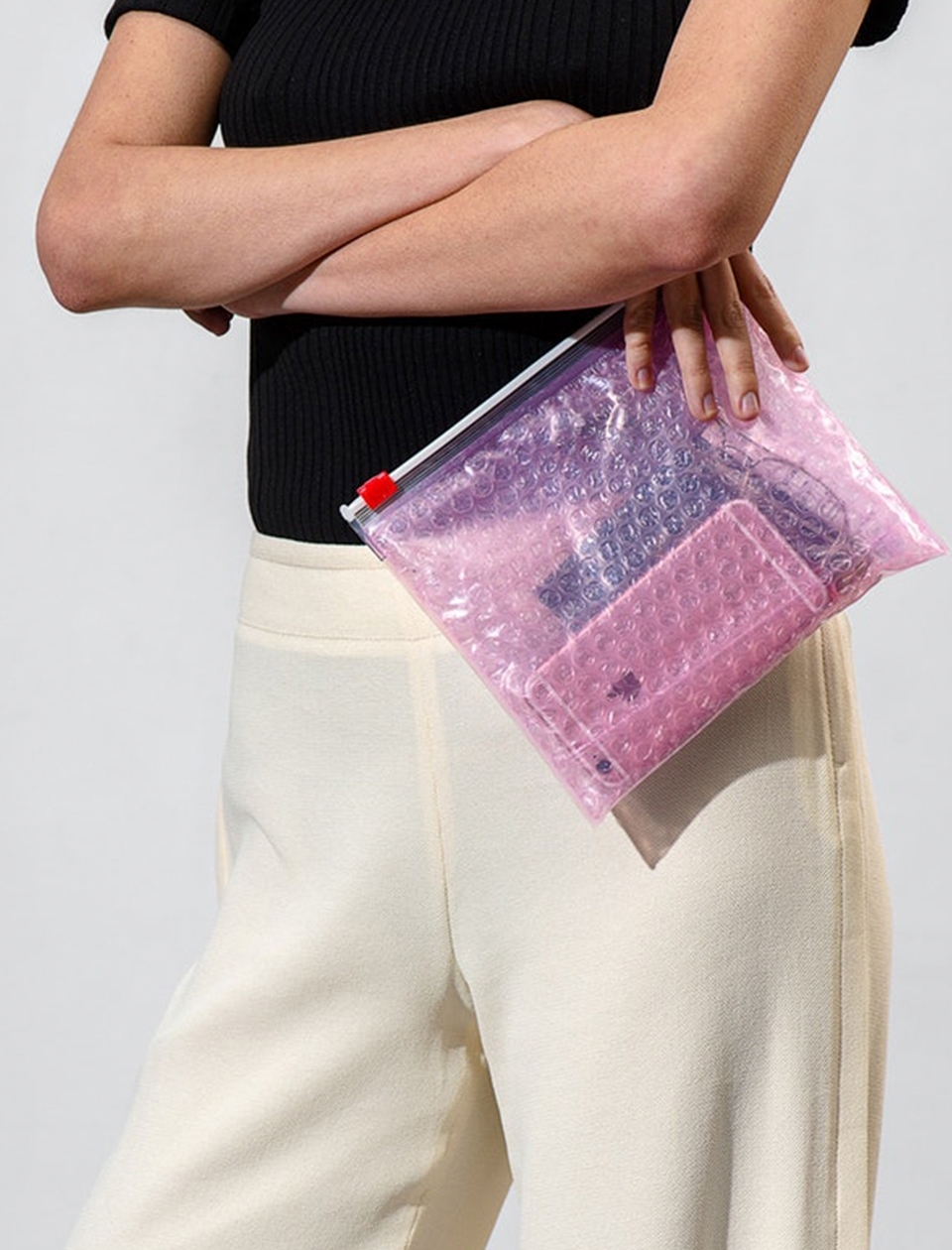
Delivery, unboxing, usage and storage are phases that are not considered enough when designing a pack. Working on the role that packaging can fulfill in these late stages of the customer’s journey can be a key differentiator to strengthen the relationship with your consumers. GLOSSIER‘s packaging is like a ziplock bag with pink bubble wrap inside, and it became a must in every woman’s handbag. It become such a hit that on the website that they even started selling the empty pack by itself.

Brands, too, are heading towards a VUCA world. Take the alcohol sector, for instance. It’s volatile because trends are changing faster and faster: a new cocktail supplants another cocktail at breakneck speed. Mojito one year, spritz the next, Moscow Mule today. Uncertain because as French vineyards are being bought up by the Chinese (for instance), French uniqueness and expertise is being jeopardised. Complex because the advent of the Loi Evin tobacco and alcohol law, anti-alcohol campaigns and European lobbies mean it is hard for us to make our voices heard. And lastly, ambiguous because it’s a struggle to know what to believe: when it comes to young people, there is both talk of binge drinking and drinking responsibly. We are supposedly drinking less, but better. Or perhaps we will all end up drinking non-alcoholic drinks? Or maybe even alcoholic drinks with health benefits?

Since the mid-1990s, we’ve slowly been transitioning from a unilateral, stable period into one that is unilateral and complex.
For brands, it has become just as hard to stand out as it is to keep a consistent course in terms of brand positioning and identity.

And yet, one generation has come up with the answer. The renowned ‘Generation Z’, born in the mid-1990s, precisely when the VUCA world was emerging.
Who is in a better position than Generation Z to help us to grasp what strategies we need to be implementing to make ourselves heard, without losing our integrity?

To achieve this, they start from the assumption that wealth does not equate with conformity:

  • Identities that are entwined. Given the fact they mingle with people from different backgrounds and they come into contact with a whole host of multicultural influences, it stands to reason that they are going to gather a variety of different references in order to forge an identity that they continually reinvent. According to a 2016 Ziba study, 81% of Generation Z Americans agree with the following: dealing with your multiple identities is part of daily life. Snapchat or musical.ly filters illustrate this behaviour.


  • Skills multiplying. These sorts of people are known as u0022slashersu0022 (in reference to the ‘/ ‘symbol). In other words, skills don’t pile up, they overlap. The can-do generation is keen on online tutorials, which are particularly prominent on YouTube. Simultaneousness, multitasking, versatility – to a generation that refuses to be bored, everything is technologically possible. Be it filming, modifying, editing, mixing – they are capable of rapidly learning new techniques and assimilating new behaviours.


  • An explosion in interests. Brought up on the philosophy of YOLO, ‘You Only Live Once’, the cool version of Carpe Diem, they constantly strive to have all sorts of different experiences at any given moment. Given the low-cost products and services on offer, the ease and speed of access to information, and the sheer choice out there, it largely ends up being mission accomplished.


A sheer abundance of influences, references, skills and experiences.
Yet they do not conform: there is just one guideline they follow: themselves.
It is their identity that takes various forms, not their personality.
After all, in the complex web of daily life, making yourself heard is all about adapting whilst still being true to who you are. The process is all about moulding yourself, but also finding where you should be.

Here are some brands who have already made this switch in the field of design, in three different ways:


• Responsive & adaptive design – by adapting to each medium the brand uses to express its identity. Coca Cola.

CBA Blog Gen Z 1
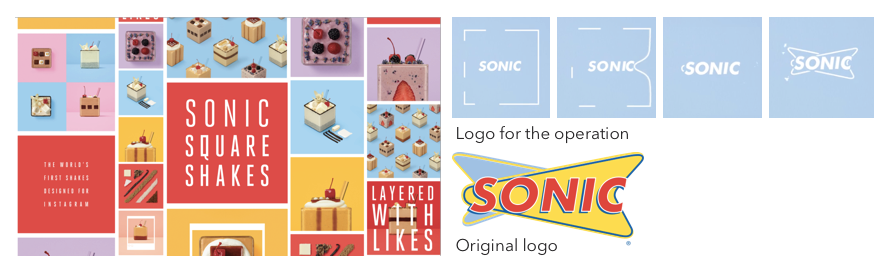
  • Responsive & adaptive design (2) – adapting to different targets and/or environments. Sonic Shakes.
CBA Blog Gen Z 2

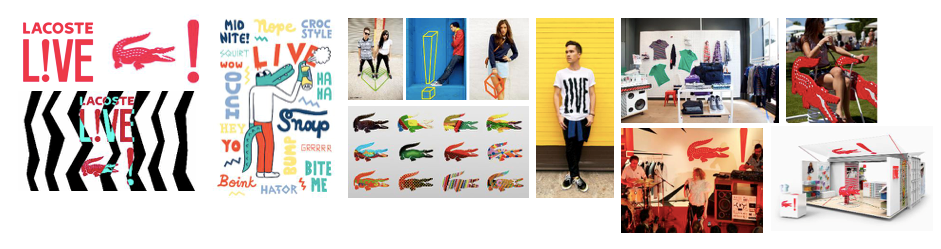
• Plural iconicity – by adapting one of the brand’s major features. Lacoste Live!

CBA Blog Gen Z 3

• Flexible design – creating a language that can be shaped. E Bologna (city branding).

CBA blog Gen Z 4

All in all, these are brands that adapt their identity whilst remaining true to their brand positioning. After all, as Tinker Hatfield, the American designer, reminds us: u0022Good design is always functional. Great design tells a story.u0022 That story is yours.

Retrouvez cet article sur Les Echos