
France
Paris


Switch to your local agency
Retour au menu
It’s no longer just about adding years to life — it’s about adding vitality to those years. The pursuit of longevity has moved beyond scientific circles to become a mainstream cultural aspiration, reshaping what it means to grow older. Driven by advances in biotechnology, AI, and real-time health monitoring, this movement reflects a new kind of ambition: to live with autonomy, purpose, and full health well beyond 80.
Where aging was once viewed with a sense of fatalism, it’s now approached strategically. Longevity has become a personal project — physical, emotional, and financial — that begins early in life. According to the World Health Organization, the global population aged 60 and older is set to nearly double by 2050, a shift with deep implications for governments, brands, and individuals. A symbolic turning point came in 2019, when, for the first time, there were more older people than young children in the world — a sign of things to come.
But what’s actually changing? Everything: from eating habits to urban design, from career decisions to family planning. The rise in later-life pregnancies — as seen in the widely discussed case of a Brazilian actress announcing a pregnancy at age 55 — shows how traditional boundaries of biology and time are being reconsidered. What was once seen as “improper” or “risky” is now a symbol of autonomy and active longevity.
In daily life, this reconfiguration is reflected in the rise of wellness-oriented routines, especially among urban and connected audiences. Running groups, for example, have become a cultural phenomenon. More than a sport, they’re communities that promote discipline, vitality, and a sense of belonging. Running has become a “good living club,” where health, sociability, and lifestyle converge.
In this context, technology and personalization are key allies. Devices like the Oura Ring and Ultrahuman go beyond conventional wearables, offering metrics such as heart rate variability, sleep cycles, and stress tracking. When paired with AI, these insights empower people to make smarter decisions about their health. Brands like Nourished are also betting on hyper-personalization, using 3D printing and biometric data to create tailored supplements designed to meet specific wellbeing goals — from mental focus to immune support.
This evolving understanding of longevity is closely tied to the idea that health is the new wealth. In Singapore, for example, public policy offers financial incentives for adult children who live near their parents, fostering not just intergenerational care but also a more dignified old age supported by real-life social networks. As life expectancy increases, simply getting older is not enough — long-term wellbeing now demands emotional health, mobility, safety, and lasting relationships.
Redefine what your brand sees as “wealth.” If status used to be tied to material goods, it’s now shifting to health, time, and autonomy. Brands across all sectors can find ways to resonate with this new mindset.
Create offerings that grow with the customer. How can your brand accompany a consumer from age 30 to 80, adapting language, features, and benefits without relying on outdated stereotypes?
Use technology to enable transformation — not surveillance. AI and personalized data should be tools of empowerment, not control. Look for ways to integrate them ethically and meaningfully into your services.
Foster human and collective connections. Active longevity is not a solitary journey. Experiences that encourage connection, belonging, and intergenerational support will become increasingly relevant.
The question remains: is your brand ready for a consumer who plans to live to 100 — and wants to do so with health, purpose, and joy?
This article is the third in a series inspired by one of the nine insights from our Pulse 2025 report, available for download.
The over-the-counter (OTC) medicine market in Brazil is a highly competitive space, where brands are not only vying for shelf space but also for consumer trust and attention.
While attractive packaging, promotional campaigns, and digital presence play an important role, many brands still fall short of building a strong, consistent, and long-term brand foundation. The question is no longer just how to exist — it’s how to meaningfully redefine a brand’s presence in people’s lives. The true value of an OTC brand comes from an alchemy between a clear identity and the consumer’s authentic perception of it.
Several factors shape the complexity of the Brazilian OTC market: a wide range of product options, the growing presence of private labels and generics, the rise of e-commerce, and strict regulatory frameworks. Even so, one trend clearly stands out — consumers are taking a more proactive role in managing their health and well-being.
According to the health portal Futuro da Saúde, the OTC market in Brazil generated approximately R$ 16.4 billion in 2023, with projections pointing to R$ 35.5 billion by 2032.
This growth reflects a broader shift in behavior. A 2024 survey commissioned by Bayer found that 84% of Brazilians actively seek a self-care routine — signaling a new type of consumer: more informed, more autonomous, and more invested in their own health journey.
At the same time, there is increasing demand for brands that stand for something. A study by Accenture revealed that over 80% of Brazilian consumers prefer to buy from companies that align with their personal values. Ethical and sustainable practices also matter: a majority of Brazilians are willing to pay more for environmentally friendly products, as shown in a study published by EXAME focused on water management and corporate responsibility.
These findings point to both a gap and an opportunity: brands that have yet to form deep emotional connections with consumers have meaningful space to occupy.
To stand out in such a competitive market, a good product is no longer enough. Every consumer touchpoint must reflect the brand’s identity and contribute to a consistent, meaningful experience — from its promise to its packaging, from digital platforms to customer service.
Packaging: Packaging must do more than attract — it should inform, inspire trust, and express the brand’s values. At the point of sale, where decisions happen fast, it must also stand out clearly.
Retail and POS: Welcoming environments, clear visual materials, and intuitive shopper journeys help transform the in-store experience into a moment of connection with the brand.
Activation: Campaigns and brand activations that stir emotion and reinforce identity are crucial for building memory and ongoing engagement.
Digital: Websites, social media, and support channels should deliver clear, accessible, and interactive information — along with fast and empathetic service.
Ongoing Relationships: Brands must maintain a constant dialogue with consumers, using digital platforms to build communities and strengthen ties over time.
The true value of an OTC brand lies in the combination of its clear identity, the promise it delivers, and the experience it provides. This coherence is what builds long-term brand equity, fostering consumer loyalty even in the face of fierce competition.
A compelling example is Dormi, by Esteve Laboratories — developed by our colleagues at CBA Paris. In a saturated market for sleep products, Dormi stood out by focusing on comfort and consumer well-being. The digital experience is personalized, offering wellness tips and empathetic customer support.
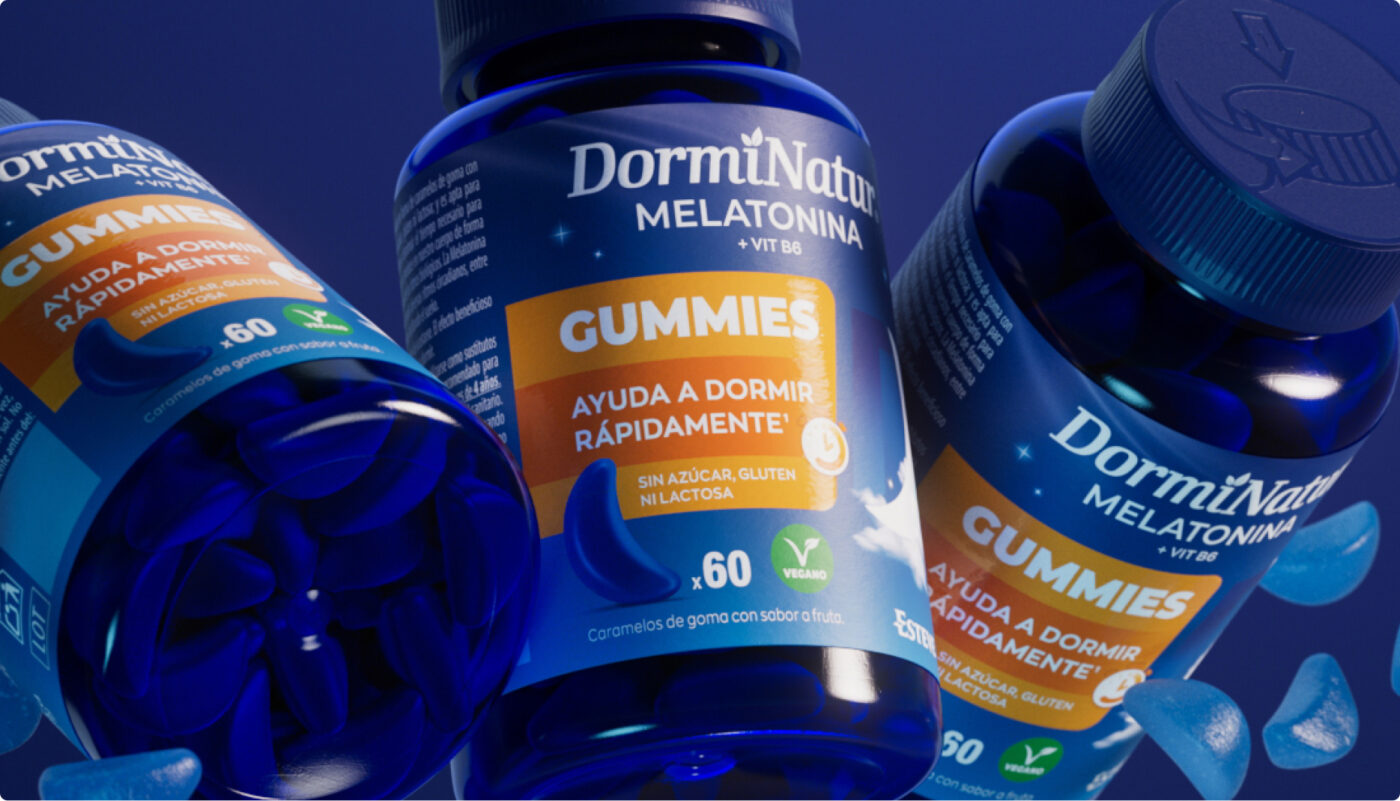
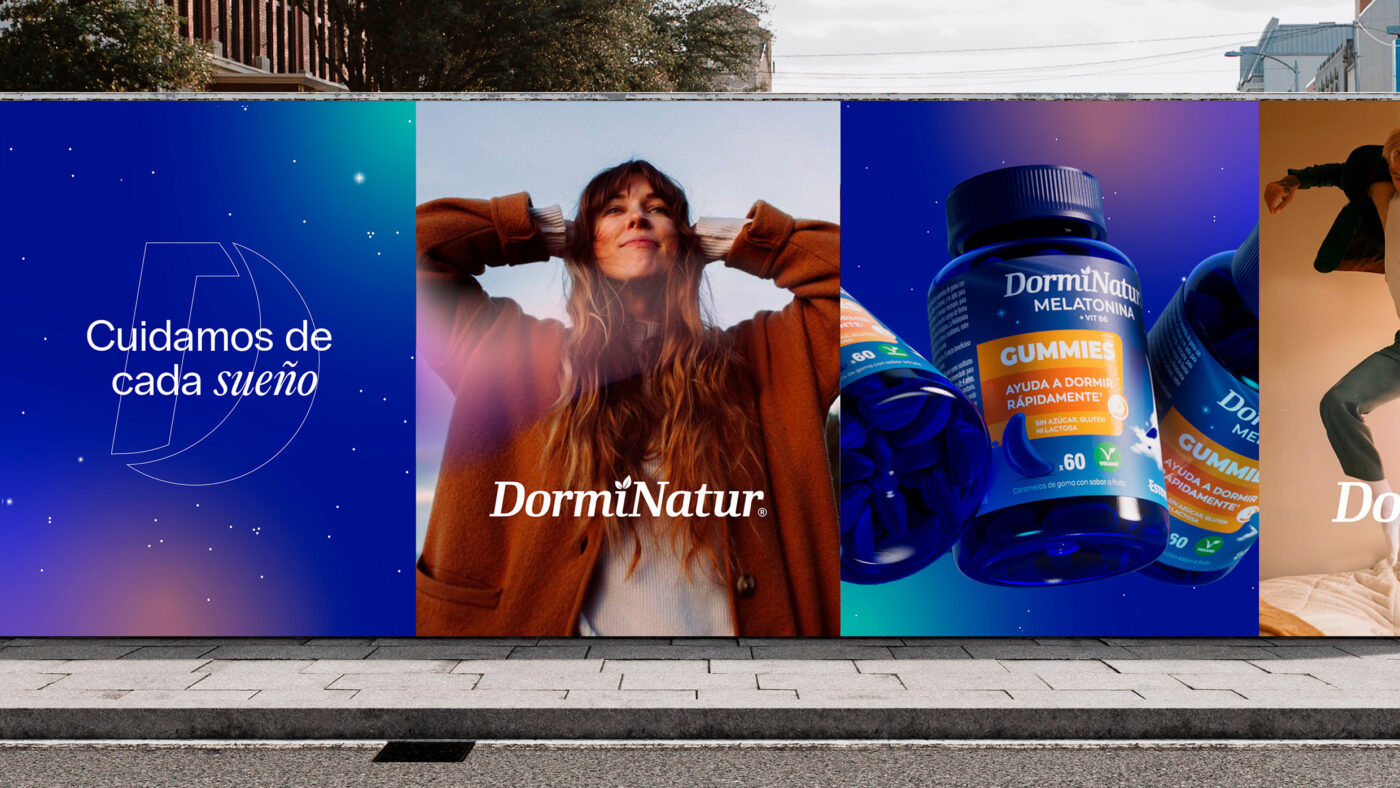
In a market flooded with products and often generic messaging, clearly communicating a brand’s “why” becomes a strategic differentiator. What does the brand stand for? Why does it exist? What kind of impact does it want to make? Brands that can answer these questions authentically are better positioned to create deeper, longer-lasting connections.
In an OTC market that is increasingly complex and competitive, winning attention demands more than visibility — it demands resonance. Brands that invest in identity, coherence, and experience don’t just sell — they become part of people’s lives. And that is the true long-term differentiator.
Remember the last time a brand made you laugh out loud? Perhaps it was a pickle-flavored soda or luxury crocs adorned with rhinestones. In today’s attention economy, the unexpected has become a strategic tool, and fun has emerged as a competitive differentiator. But is this merely a fleeting trend, or does a playful and relaxed approach tap into something deeper?
We’re living in an era marked by excess—of stimuli, sharing, notifications, and decisions. The constant barrage of newness fuels what’s known as the Dopamine Culture, a cycle of quick, fleeting rewards that breeds anxiety and an incessant quest for stimuli to keep us engaged. Conversely, there’s a growing appreciation for moments of relief, pause, and positive surprise.
A “playful extravaganza” directly connects to this context: it’s not about instant gratification but about surprising with lightness. The concept of delight—unexpectedly enchanting—emerges as a response. Even brands committed to serious causes like environmental care and inclusivity are now challenged to communicate more authentically, accessibly, and humorously.
Download Pulse 2025, our annual design insights report to help brands and organizations guide their initiatives.
This movement isn’t confined to design; it reflects a broader cultural shift shaped by digital entertainment dynamics and the constant expectation of novelty. Generation Z—multicultural, fluid, and curious—naturally navigates between aesthetics, flavors, and categories. Open to the world, they seek the new with enthusiasm but have less patience for overly serious messages or predictable formats.
According to a Mondelēz study, 80% of Gen Z are willing to try unusual flavor combinations. This may explain why fast-food chains like McDonald’s and Taco Bell are experimenting with bold beverages featuring unexpected colors, flavors, and textures. McDonald’s even launched CosMc’s, a store dedicated exclusively to innovative drinks and unconventional sensory experiences.
Beyond the food sector, the playful spirit manifests elsewhere. Portuguese brand Renova transformed a mundane item—toilet paper—into a design object with colorful, patterned, and even black versions. American company Progresso introduced Soup Drops, a “soup candy” concept so unusual it quickly sold out. Similarly, Barnana combines purpose and fun by repurposing imperfect bananas into snacks with a vibrant and relaxed visual identity.
In Brazil, the OMO Vibes project—developed by CBA B+G—demonstrates how even functional categories can benefit from the aesthetics of surprise and relaxation. The brand invested in colorful packaging and a direct connection with music and daily activities, injecting lightness into household routines.
A playful approach must be strategically implemented by brands. When executed well, it can generate enchantment and differentiation—but if miscalibrated, it risks seeming forced or misaligned. Consider these guiding questions:
The challenge for brands is clear: how to embrace fun without falling into the trap of superficiality? How to engage with different facets of the same audience—who, at times, seek purpose and depth, and at others, lightness and escapism?
The answer may lie in moving beyond binary thinking and designing portfolios and experiences that accompany this natural alternation of moods. Between mindfulness and rave, there’s a vast territory to explore. And it’s in this vibrant and unpredictable space that playfulness proves more necessary than ever.
This article is the first in a series inspired by one of the nine insights present in our Pulse 2025 report, available for download.
Much has been said about the harmful impact of screens in our lives. Our digital dependency – manifested in excessive use of smartphones and social media – has clear consequences: mental fatigue, psychological disorders, and the distancing from genuine connections. It’s no wonder that “Brainrot” was chosen as the word of the year in 2024 by the Oxford dictionary.
In this context, a collective search for “digital detox” emerges. While there are those who opt for a completely offline life, usually in alternative communities away from urban centers, for the majority, the solution isn’t in total abandonment of technology, but in creating conscious disconnection rituals.
This new balance manifests in different spheres: when it comes to travel, retreats promoting digital disconnection are proliferating – whether in mindfulness experiences without electronic devices or in the conscious choice to document less and live more. It’s interesting to note the harmonious coexistence of analog with digital: traditional cameras and physical books share space with Kindles and iPhones.
The “dumb phones“ phenomenon evidences a desire to limit digital distractions. However, few people are willing to permanently replace their smartphones – the preference is for specific moments of disconnection. “Phone-free” festivals, like This Never Happened in Australia and other countries, or clubs in Holland offer precisely these structured experiences.
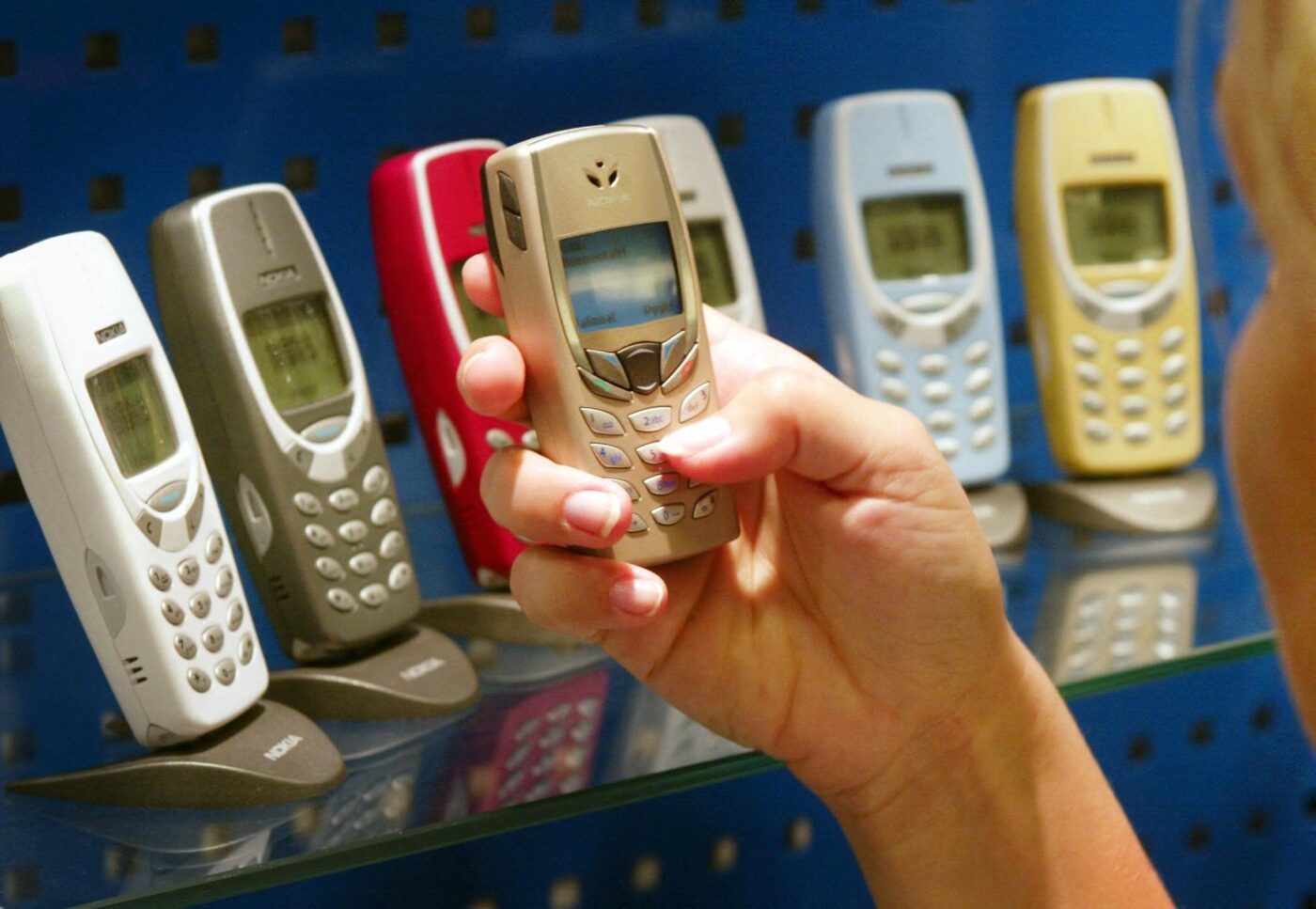
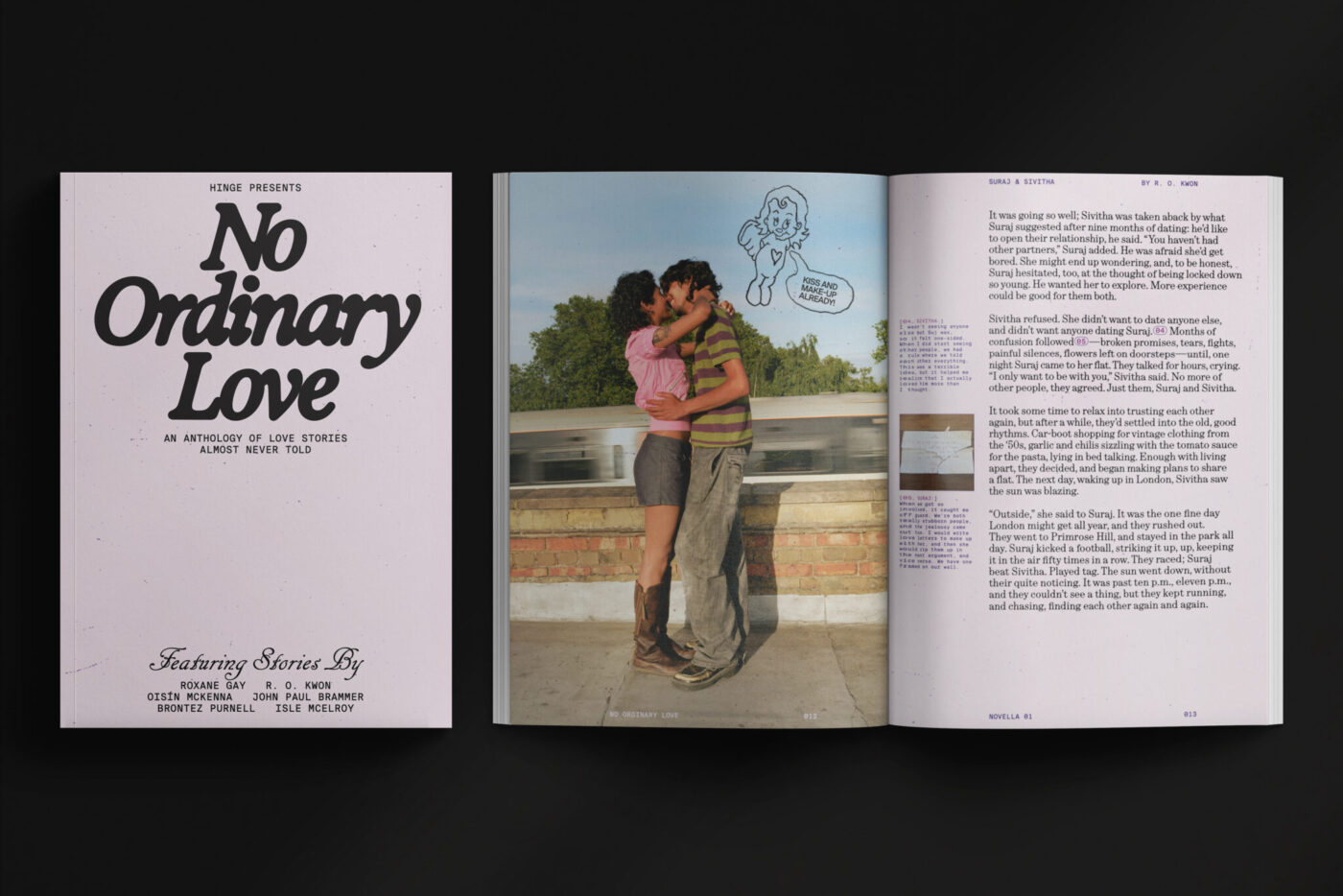
In daily life, we witness the resurgence of analog practices, wrapped in a good dose of nostalgia: the revival of print magazines, fanzines, scrapbooks, and diaries, which value tactile and manual experiences impossible to replicate on screens. Examples abound, from the return of printed Capricho magazine, in Brazil, to Hinge’s (a dating app) couples’ stories magazine to Miu Miu’s Summer Reads campaign. They are complements, not substitutes, for digital life.
Curiously, technology itself tries to offer solutions for its excessive use. Platforms like Instagram incorporate features like “Take a Break,” while other applications propose to block social networks on demand. However, there’s an evident paradox: isn’t it contradictory to resort to technology to solve problems that it created itself?
In music, listening bars and vinyl revival emerge, spaces and formats that privilege active and contemplative listening – an experience distinct from casual consumption via Spotify or YouTube, but which coexists harmoniously with these.
Download Pulse 2025, our annual design insights report to help brands and organizations guide their initiatives.
Parallel to this, the “sober curious” movement grows, especially among Generation Z. This trend reflects a search for more conscious socialization and questions the stigma of sobriety: why does refusing alcohol bother people so much? New generations contest the “obligation” to drink to socialize and have fun, recognizing the harm of a legalized and omnipresent drug.
Recent market data reinforces this trend: globally, sales of low or zero alcohol beers exceeded 6.5 billion liters in 2022, according to Euromonitor International. Searches for the term “non-alcoholic beer” increased 80% worldwide and 60% in Brazil in the last 5 years, evidencing a significant change in consumption habits. This transformation is especially driven by Generation Z and the fitness audience, who seek sophisticated experiences without alcohol’s negative effects – a trend that intensified after the pandemic, when health and wellness concerns gained even more relevance.
The phenomenon doesn’t necessarily represent total abstinence. Often, it appears in determined periods of sobriety – like “Dry January” – or in exploring alternatives, from non-alcoholic beverages to psychedelic substances, the latter sought both for their therapeutic benefits and recreational use. Brands like Botivo Drinks in the UK and Kiro’s Switchel in Brazil meet the demand for pleasure without alcohol, emphasizing artisanal production and promoting conscious consumption.
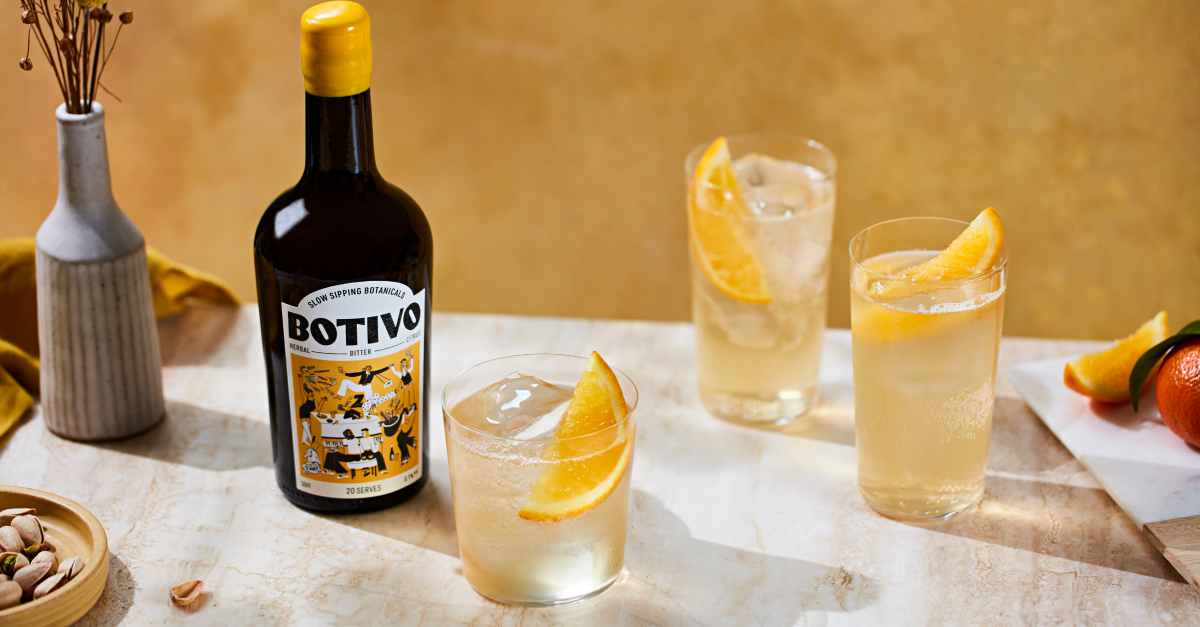
The expression “um pouco de droga, um pouco de salada” (something like “some sin, some salvation”) popularized in urban brand products in Brazil, synthesizes this duality characteristic of the new generation. It’s a reflection of complex personas that combine apparent contradictions: the same individual can be both a festival-goer and a marathon runner.
This scenario presents an interesting challenge for creating products, services, and communication: how to dialogue with different facets of the same persona? How to create messages that resonate with both moments of intensity and consciousness?
It’s interesting to think that within the same portfolio, a beverage brand can have options with and without alcohol, sponsoring events focused on mindfulness and others more festive. Or promote the importance of offline moments using physical events and analog resources, while maintaining a consistent digital presence strategy.
Understanding this alternation mindset – which allows individuals to transition between periods of “total connectivity” and moments of focus or detoxification – has become essential for contemporary brands.
This article is the first in a series inspired by one of the nine insights present in our Pulse 2025 report, available for download.
Over the course of 30 years working in design, I’ve always been moved by the human capacity to innovate and create. Recently, like many of us, I’ve found myself reflecting on how artificial intelligence is reshaping our careers, especially in the field of creative activities. So, I ask myself: what will be governed by human neural networks or machine algorithms?

Since the beginning of my career, creativity has been the driving force behind my work and my vision as an entrepreneur. The obsession with innovation and the often-limitless search for new ways of thinking and creating has always accompanied me. Three decades ago, I empirically adopted a model that I called dual, for the execution of design solutions in their most varied aspects (graphic, product, environmental, service, business, etc.), an approach that integrates analytical and creative thinking at the same time. It took me 15 years to fully understand the effectiveness of the fundamental result of this model, which I called the Key idea, a common name in other methodologies, but which in my case was associated with a very particular process. Through the metaphor of the Lemniscate, I created symbolism and ritual for a dynamic and iterative process of constant alternation between analytical-critical thinking (based on intelligence) and intuitive-creative thinking (based on creativity) – and structured the model to work on the construction of powerful design concepts and solutions, the key ideas.
In 2010, I documented my methodologies through flexible and clear frameworks, with the aim of helping new designers at the then B+G (now CBA B+G) to achieve powerful ideas more quickly. As the framework was very flexible and broad, I also added other practical components to the method, including for example the insights matrix and mind maps, tools that stimulate the creation of ideas through creative simulation (not necessarily creativity), in other words – the generation of ideas from formulated and often linear processes that partly replace the spontaneous and intuitive creative process (real creativity).
These models, almost magical formulas used to arrive at a result from an intelligent and very rational process, helped my professionals in two ways: the less experienced were able to arrive at satisfactory results and the more experienced were able to speed up the path to real creativity enormously. And I understood at the time that the simulation of creativity through these models was on the border between analytical thinking and real creativity itself, often making it difficult for an unsuspecting critic to discern between truly creative ideas and solutions based on methodological constructs which I also began to adopt as a ‘warm-up’ or accelerator of real creativity.

Now, with the advent of generative artificial intelligence, it is fascinating to consider how technology can once again influence and enhance real creativity. The ease of LLM models, coupled with the ability of algorithms to learn and produce new instances based on pre-existing data and models, complements human divergent, intuitive and spontaneous thinking, offering new perspectives and, consequently, new possibilities for creativity, which particularly impacts all of us in the creative industry. Barely comparing, but already comparing, from the point of view of real creativity, generative models based on AI are like the linear methods for simulating creativity that I adopted 15 years ago. They don’t replace what I’m calling real creativity here, but they are incredible accelerators.
Our intelligence doesn’t create anything on its own, but it does provide us with the analytical capacity to concatenate the bases for generating a spontaneous idea. In other words, the proposal of the dual model for arriving at the new Key idea, which on the one hand works with intelligence (analytical-critical thinking) and on the other with creativity (intuitive-creative thinking) already offered, in principle, a process for both simulated creativity and real creativity, depending on the professional’s experience (cognitive knowledge), time and depth dedicated to the project. In other words, except for real creativity, any ability to formulate processes in a structured way can be passed on to AI systems. And this suggests that almost all predictable, tested and formulated activities that do not require ethical, moral and cultural context components can be replicated by the algorithms of this technology.
However, real creativity, which involves intuition, emotion and non-linear thinking, is still a distinctively human area. On the intelligence side, morality, ethics, conscience, resolving emotional conflicts and understanding social contexts are also still intrinsic aspects of humanity. These are fields that go beyond the execution of tasks or the reproduction of supposedly creative or intelligent patterns.

The prompt, in the context of generative platforms, is a fundamental piece in the connection between human and computational capacity. It serves very well as a metaphor for the ‘human algorithm’ in the interaction between human and artificial intelligences, between real human creativity and the simulation of machine creativity, representing the perfect link between these two human cognitive capacities and their generative counterparts based on analogous data and formulas proposed by or for the machine. The same will happen with its cousin-brother in the next generation of human-machine interaction to dominate the scene, voice command.
Faced with the challenge posed to analytical thinking, and reflecting on artificial intelligence, which is taking over a lot of space that we once thought was exclusive to human intelligence, I point to the indisputable opportunity to understand and preserve the essence of the components of human intelligence that are still irreplaceable, such as ethics and real creativity. I believe that the interaction between these intelligences reveals two major fundamental axes of evolution in design and beyond: one, which advances through the ever-increasing connection between the human and the synthetic, and a second, which puts the human back in its rightful dimension, potentially removing from our hands and minds all the automated, mechanical and process occupation that we have created for ourselves and overvalued over decades of our history. Let us take advantage of this unique moment to become human again, in the best way possible.
Luís Bartolomei, CEO CBA B+G
We know that adapting global trends to local markets is crucial to the success of any brand that wants to stay relevant and alive. Understanding the cultural and social particularities of each region allows companies to implement innovations in a way that truly resonates with local audiences.
In our most recent webinar, in which we addressed the integration of new trends and innovations by companies to design an impactful future, our guest Daniela Klaiman, CEO of FutureFuture, emphasized the importance of adapting, or rather ‘translating’ trends according to the needs of each region. “Generally, trend reports come from abroad, and you can’t just copy and paste foreign trends here in Brazil, or in Latin America.”
This principle is especially sensitive when we look at emerging trends that raise discussions in various spheres, such as gender neutrality. Addressing this issue in Latin America goes beyond adapting a global idea; it’s a reinterpretation that considers the values, expectations and specific needs of local consumers.
In the context of Latin America, where around 18% of Gen-Z identify as part of the LGBTQIA+ community, adopting a non-binary approach to product design represents a great opportunity for brands to adopt a more inclusive perspective, seeking to connect with audiences who value diversity and the expression of unique identities.
People come back with lots of ideas from SXSW, for example, but it's crucial to understand what makes sense and what doesn't for each market, and how to adapt trends to the local culture where they will be applied. What is the right time and the right way to do this? Translation is key, because trends that don't reflect our reality won't be relevant to our audience. The mistake is not in the trend itself, but in the fact that it is not adapted or "tropicalized", if you will.
Daniela Klaiman, CEO of FutureFuture
In our Useful Design Trends 2024 report, we addressed the “death of gender”, pointing out examples of brands and businesses that promote a design and marketing approach that moves away from binary gender norms, welcoming diversity. To see how this trend is unfolding in Latin America, we looked at some other examples from our region:
Another Place (Brazil): “Gender-free, no labels, to wear however you want” is the call from the Another Place clothing brand.
Papel de Punto (Colombia): unisex clothing made from partially recycled fabrics, emphasizing its “clean and fun” profile.
Simple Organic (Brazil): Brazilian representative of free beauty, the brand defines itself as democratic, disruptive, genderless and concerned about the health of people and the planet.
O Boticário (Brazil): various products with gender-neutral fragrances for anyone to use.
Anacê (Brazil): a brand that offers a fresh look at traditional tailoring, with flowing garments and no distinction between genders.
Carla Fernández (Mexico): Mexican designer known for transforming indigenous textile techniques into contemporary clothing that respects and celebrates culture and fluid gender identity.
Isaac Silva (Brazil): a democratic store selling genderless clothes that fit all body types.
Brands that embrace this approach not only promote inclusion, but also establish themselves as benchmarks in an increasingly aware and demanding market.
Design is a work of facilitation; we are facilitators when it comes to trends. Our main role is to translate and then present them to clients so that they can understand and apply each one appropriately.
Luís Bartolomei, CEO of CBA B+G
Although the gender neutrality trend is emerging as a point of reflection and action for many brands globally, in Latin America there is a certain hesitancy to fully adopt it. Despite examples of innovative initiatives, the scarcity of widely known cases reveals that this trend is often still seen as a niche.
This is reflected not only in the limited supply of products that challenge gender norms, but also in customers’ hesitation to recognize and embrace this cultural shift in their daily consumption practices.
This scenario suggests both an opportunity and a challenge: while there is fertile ground for innovation and differentiation in the market, there is also a need to cultivate a deeper understanding of the benefits and value of gender inclusion in product and service design. After all, truly adopting global trends in local contexts requires more than just introducing new products – it requires transforming perceptions and attitudes.
So the question is: are we ready to lead this change or will we be content to follow the pace of social and cultural transformation in our region? The answer to this question will define the future of inclusive design in Latin America and the role we will play on the global stage of social innovation.
Welcome to the third edition of Useful Design Trends, our annual exploration of the movements shaping the future of design in various sectors and global markets.
Trends offer a unique vantage point from which to view the future, not as a distant horizon, but as a series of actionable opportunities. This approach is rooted in our belief that design is a problem-solving tool, a means of meeting the challenges of our time with creativity and purpose.
Covering more than 40 sectors and 90 case studies, the global and multi-category perspective ensures a comprehensive and diverse view of the design landscape. Each trend we explore in this Useful Design Trends 2024 is a window into how design can inspire utility, whether in the way we interact with our environment, empower individuals, improve well-being, promote social growth or democratize access.
*By filling in your details you agree to receive Blimp, our bimonthly newsletter.
There are 15 trends that promise longevity and sustainability, transcending the ephemerality that usually characterizes the world of brands. Our focus is on trends that last, that evolve and that continue to resonate year after year. We collect and select movements that not only signal change, but drive it.
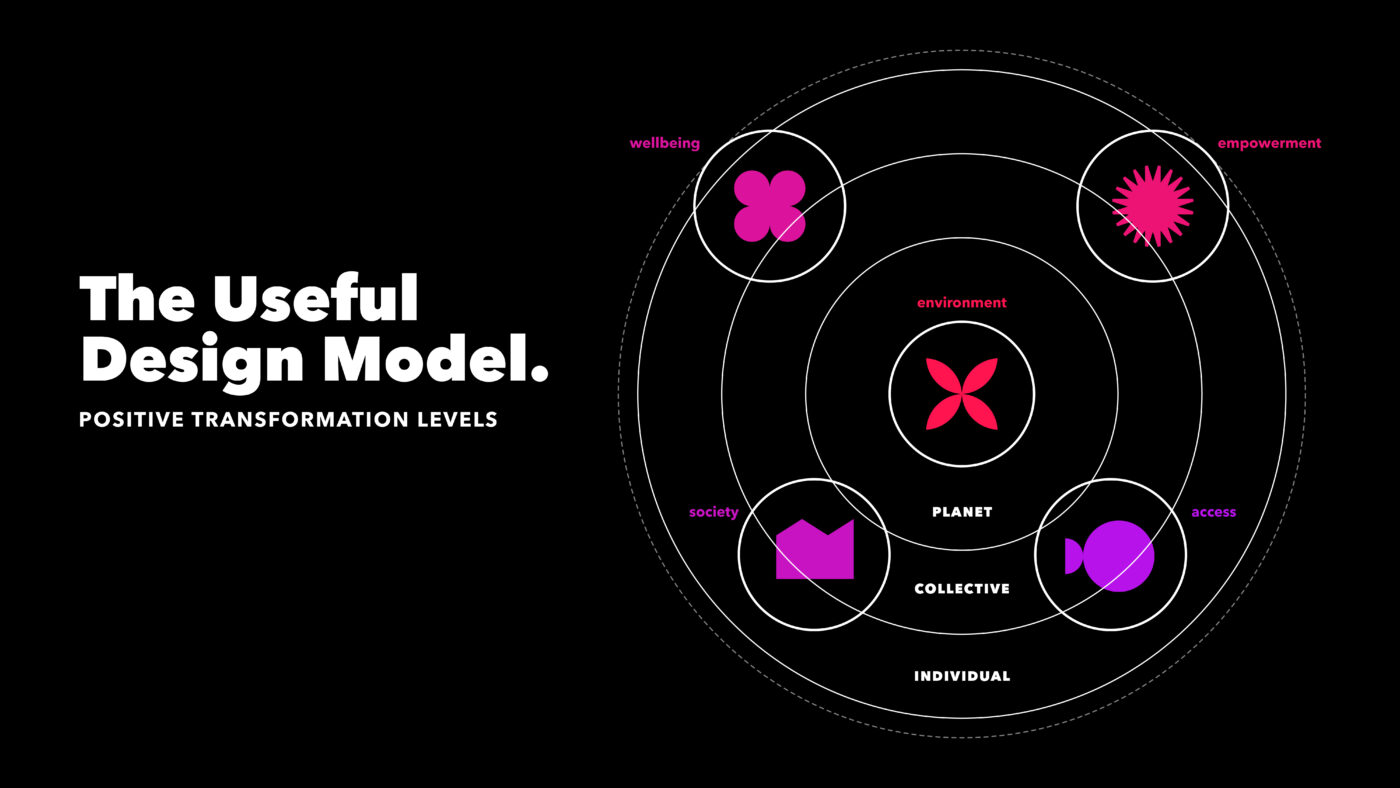
For us, design goes beyond aesthetic appeal, acting as an accelerator of meaningful change. This belief is summed up in our Useful Design Model, which is anchored in three levels of impact: individual, collective and global. These levels form the basis of our approach and are an integral part of the reporting structure.
It is structured around five essential pillars: Environment, Empowerment, Well-being, Society and Access. Each pillar represents a fundamental aspect of our world, highlighting the significant role of design in creating a better future. Through these pillars, we aim to show how design transcends traditional boundaries, acting as a powerful agent of transformation and progress.
Here is a summary of the pillars and their trends in this Useful Design Trends 2024:
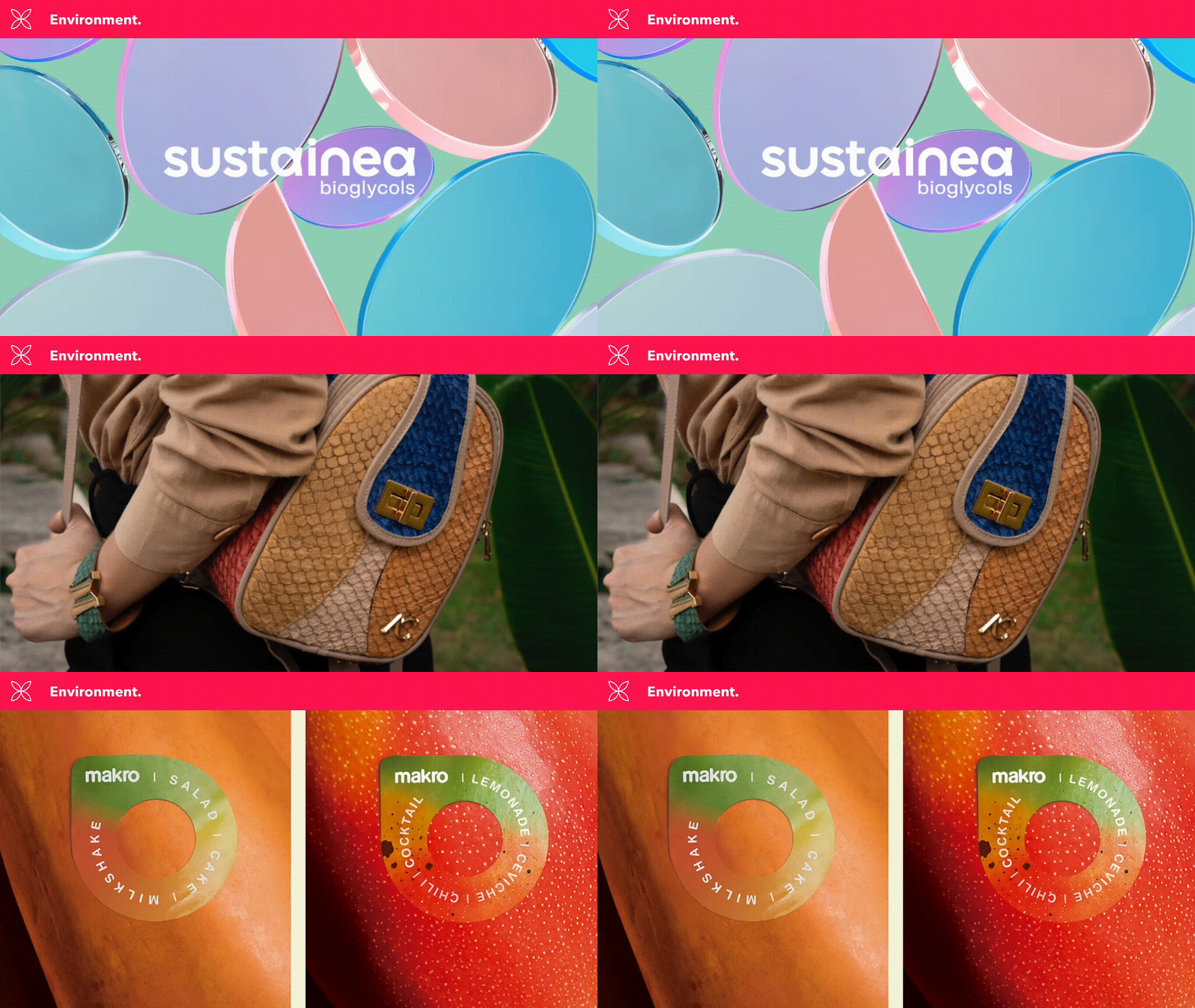
As we face the growing challenges of climate change, evidenced by record-breaking weather disasters in 2023, the urgency for sustainable initiatives has never been clearer. This pillar explores how design can revolutionize our production and consumption processes, advocating a shift towards sustainability that resonates at an industrial level.
1. The Basics Reimagined
Reinventing raw materials and everyday essentials is a must.
Opportunity: Mind the Senses
When selecting new materials, consider the sensory impact of products. The tactile, visual, and even auditory qualities of materials can significantly influence the consumer experience. It’s all about creating a deeper, more memorable connection with your audience.
2. Extended Lifespan
Reusing product life cycles, reducing waste and aligning with consumers’ sustainable demands.
Opportunity: Sustainability as a service
Offering subscription-based models in which maintenance, upgrades and end-of-life product management are included can be a game changer. This type of model ensures that products are kept in optimum condition for longer and that, when they reach the end of their useful life, they are disposed of responsibly.
3. Ancestral Future
Combining ancient wisdom with modern environmental solutions can bring advances and positive results for everyone.
Opportunity: Sustainable supply chains with a story
Invest in supply chains that not only prioritize sustainability, but also have a narrative. Source materials and ingredients from indigenous communities in a way that supports local economies and ecosystems. This approach ensures a sustainable and ethical supply chain and also gives products a compelling story that resonates with conscious consumers.
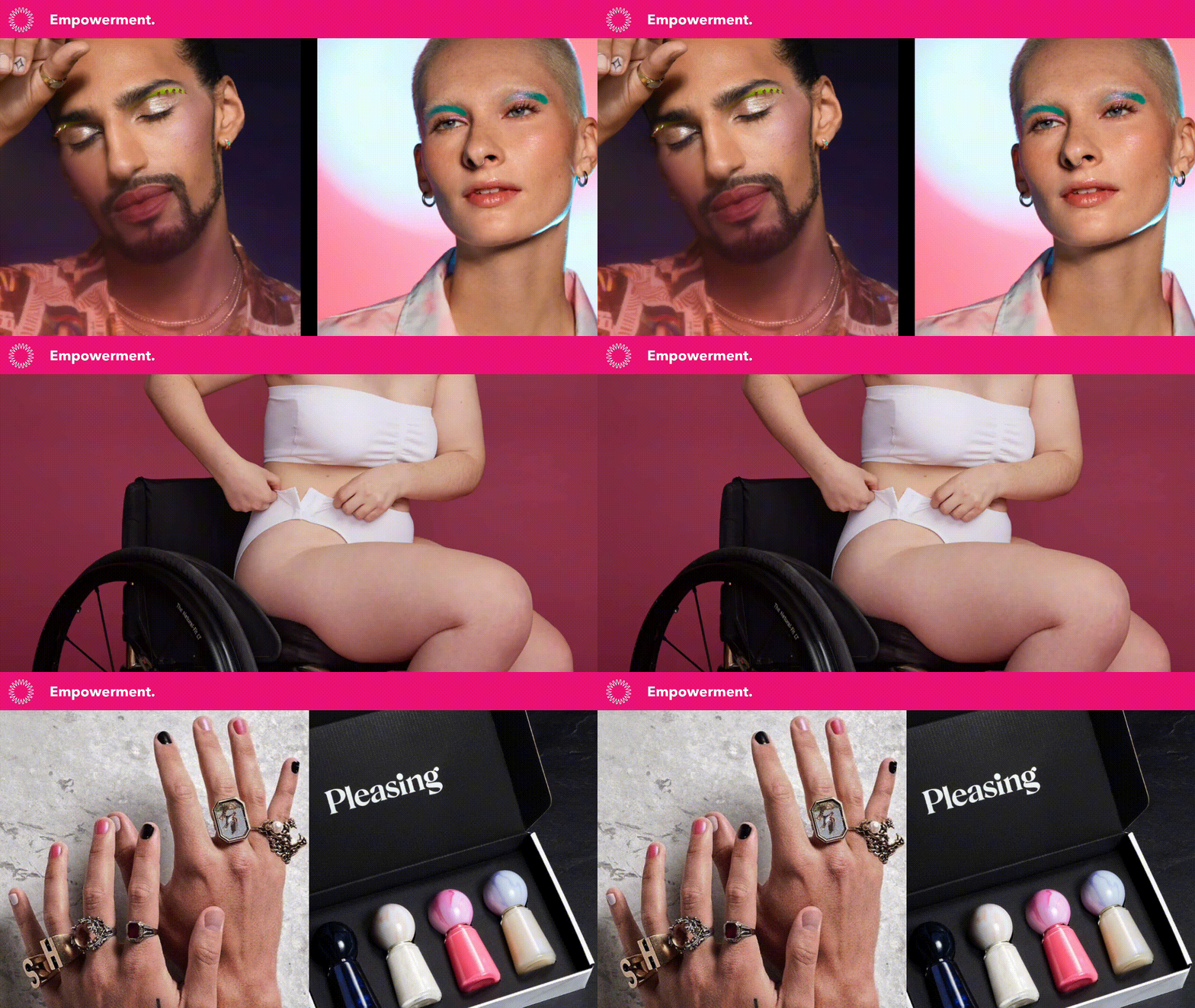
Centered on Identity and Inclusion, this pillar addresses the need for design to empower people, especially Generation Z, to express their unique identities. It highlights the importance of universal design solutions that embrace diversity and promote self-confidence and self-expression.
4. Universal Standard
Addressing solutions through inclusive design, moving from niche adaptations to universal accessibility in conventional products and services.
Opportunity: Empathetic AI assistance
Leveraging AI to develop virtual assistants that adapt intuitively to the diverse needs of users, offering personalized and inclusive support for brand interaction and purchase journeys.
5. Out of the box
By rejecting traditional norms and aesthetics, Generation Z embraces chaos, imperfection and originality.
Opportunity: Encouraging creativity
When navigating these transformative times, brands and individuals should not shy away from the strange, but rather play and experiment, allowing their audience to step outside their comfort zone which will take them to unexpected places. In doing so, they can reimagine what the norm is.
6. Death of Gender
Moving away from binary gender norms, brands are adopting diverse and non-binary approaches to product design and marketing.
Opportunity: Expanding unisex products
Promote inclusion by expanding unisex product lines, ensuring that marketing and design approaches are actively breaking down gender norms and adopting universally appealing design principles.
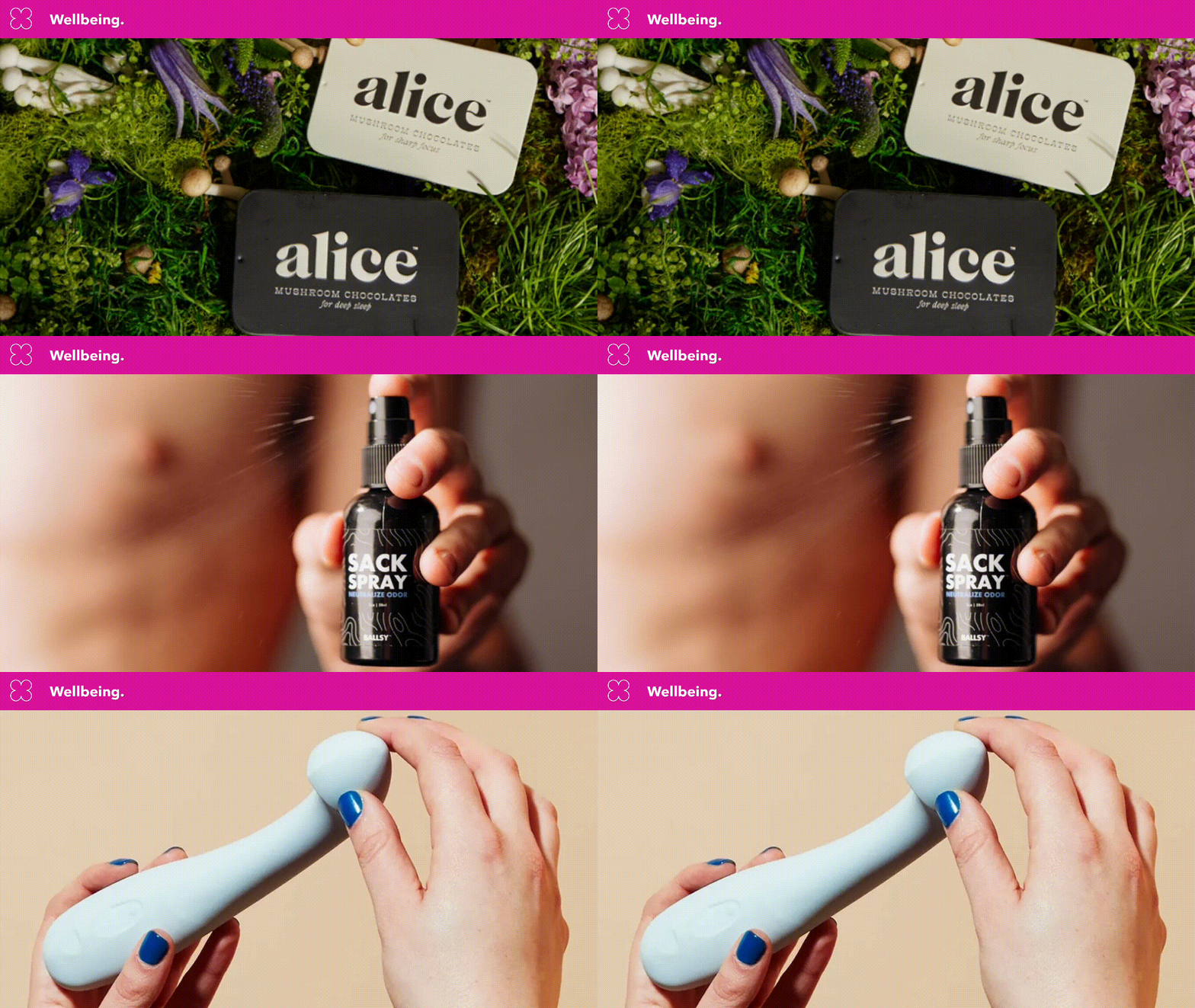
This pillar takes a broad approach to improving quality of life, emphasizing physical, mental and emotional health. It explores how design can break taboos and create environments where individuals thrive, not just survive.
7. Menopower
Breaking the cycle of silence around the menopause is a significant transformation in the market, reflecting changing attitudes towards ageing and female empowerment in a growing Silver Economy.
Opportunity: Attention to language
Brands can go beyond terms like “anti-aging” by using positive and empowering language for products and campaigns about menopause and the beauty of aging gracefully.
8. Sex Education
Embracing sex positivity as a central pillar of holistic well-being, especially among younger generations.
Opportunity: Pop-up wellness experiences
Establishing spaces focused on sexual wellness that offer training, workshops and a portfolio of brands that guarantee a welcoming and stigma-free atmosphere.
9. The Good Drugs
The narrative around psychotropic substances, from contempt to appreciation, is evolving, reflecting a change in society’s perception, in line with holistic wellness trends.
Opportunity: Positive impact portfolio
Through strategic portfolio design, brands can develop a range of products that meet the different needs and preferences of consumers, from everyday wellness to more specific therapeutic solutions, maximizing positive impact.
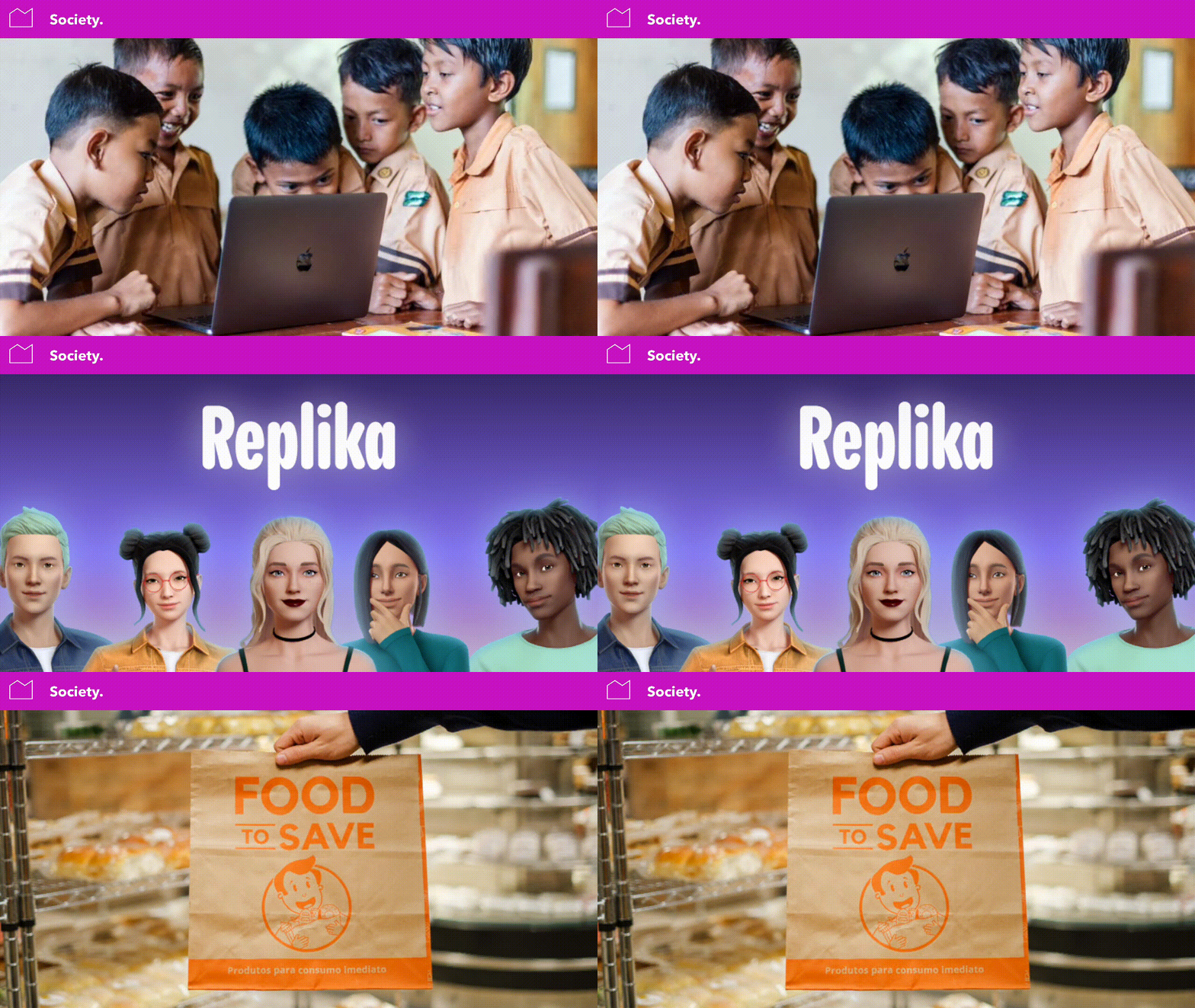
Focuses on collective and shared growth, emphasizing the responsibility of organizations to contribute positively to their communities. In the wake of the pandemic and ongoing cultural changes, this section examines how design can facilitate community growth and shared value.
10. AI Powered Creativity
New possibilities and ethical challenges arise as AI reshapes creativity.
Opportunity: AI for social good
Harnessing AI to address global challenges and promote sustainable development offers immense potential. Whether monitoring environmental issues, promoting fairness in lending or advancing the UN SDGs, there is an opportunity for organizations to use AI as a tool for positive change.
11. Wiser Choices
Influencing behavior through design, emphasizing authenticity and leading by example.
Opportunity: Advice on moderate consumption
Brands must recognize their influence on consumer habits and commit to promoting moderation. This demonstrates corporate responsibility and is a key strategy for building trust and demonstrating genuine care for consumer well-being and environmental impact.
12. Better Together
Rising communities offer connection and support against digital isolation, with brands promoting spaces for connection and shared experiences.
Opportunity: Empower marginalized communities
Address economic disparities and promote cultural inclusion by providing tools and resources for the economic empowerment of underrepresented communities. This not only equips specific communities with the means to increase their wealth, but also ensures that their stories and perspectives are heard and valued in mainstream media.
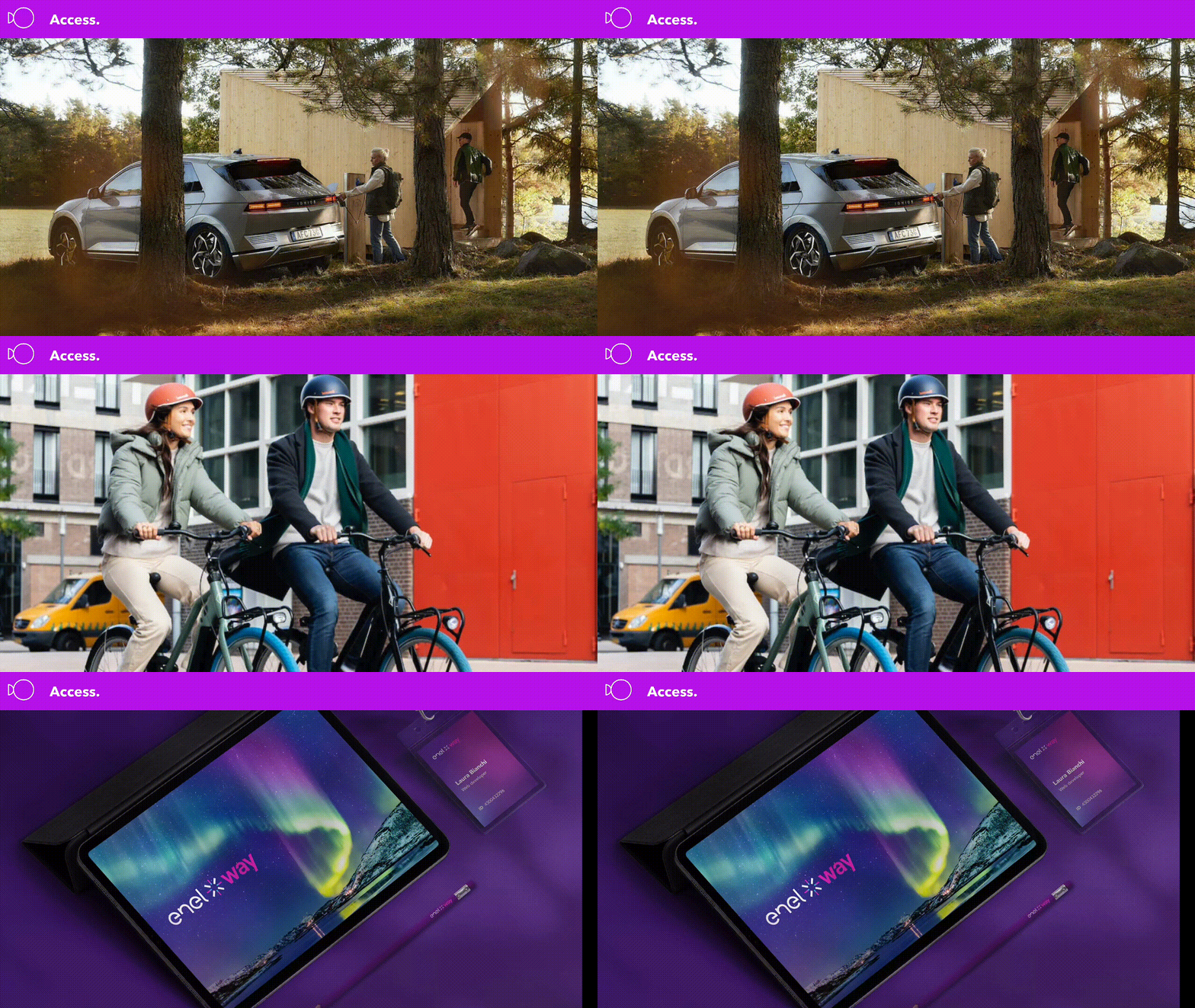
The last pillar, Access, envisions a future in which resources are universally accessible, advocating the democratization of resources. It highlights the role of design in ensuring that progress and benefits are shared inclusively, contributing to the collective good.
13. Play it Smart
Consumers and brands are adapting to the rising cost of living, focusing on smart spending and economical, environmentally conscious solutions.
Opportunity: Transparent pricing
Empower consumers by developing an interactive platform that visually breaks down the costs of products. This platform could graphically represent how much is spent on raw materials, manufacturing, marketing and distribution, employing infographics and intuitive UI/UX.
14. Micro Mobility War
Cities around the world are turning to ecological micro mobility, with alternative methods of travel, changing the urban landscape.
Opportunity: Mobility partnerships
Brands from different sectors, from technology to fashion, can form partnerships with micromobility solutions. For example, a technology brand could collaborate with city bicycle programs to create smart helmets equipped with GPS and safety features. Or a clothing brand could create specific outfits for scooter users, with elements of safety, comfort and style.
15. Web3 to the People
Web3 is reformulating brand involvement with transparency, ethics and decentralized control.
Opportunity: Transparent supply chain solutions
Using blockchain to make supply chains more transparent and ethical. This can be an important selling point for eco-conscious consumers who value sustainability and ethical practices. Brands can demonstrate their commitment to these values by providing customers with a transparent view of the product journey, from production to delivery.
If this report has inspired you with new ideas, get in touch so that we can work together to make them happen!
Two years ago, CBA B+G embarked on a transformative journey by adopting a remote working model. This change was not only a response to global circumstances, but also a step towards innovation and adaptation to the new paradigms of the corporate world. The transition to remote working brought with it the need to adapt to digital processes, embracing the concept of flexible working. Today, we revisit the experience to understand how we have navigated these digital waters and what lessons have been learned along the way.
Our reflection is inspired by the conversation we had with Fernanda Mourão, Architect of the Future of Work, our guest at Café+ in November 2023 to talk about the topic. Fernanda is an expert on the subject and provided insights and good observations on the remote, hybrid and face-to-face models in the search for greater productivity and quality of life.
1. Space has become a working tool: Work is no longer a place but an activity. Spaces are now meeting places and the company culture is embodied in these environments.
2. Onboarding requires a lot of attention: Because it is relatively new, the flexible or hybrid work model requires a more careful integration and onboarding process, especially for newcomers and junior employees.
3. Adaptation and adjustment of perspective: The mechanisms for managing remote work have evolved rapidly, as has our adaptation to them. Natalia Azevedo, Senior Designer at CBA B+G, makes this point: “One thing we hear a lot is ‘in person we could get up and go to the colleague’s desk to talk’, as something that some people miss a lot. However, reading about the subject, there is a counterpoint from people who, when they were in the office, thought this was a terrible thing… I find this change in perspective very interesting, it shows how much we are biased by the ‘ideal of extroversion’ and we don’t even realize it.”
4. Self-management is key: Flexible working requires more robust planning and self-management skills, without relinquishing responsibility for the company. This can be a challenge for some managers. A good example is Spotify, which offers remote working strategies and options, with an emphasis on employer branding.
5. Romanticization vs. Reality: Recognize that not everyone is suited to being a “digital nomad” and that remote work is not a perfect, unanimous world ready to be inhabited. It has to be built – and in a collaborative way.
“One thing we hear a lot is ‘in person we could get up and go to the colleague's desk to talk’, as something that some people miss a lot. However, reading about the subject, there is a counterpoint from people who, when they were in the office, thought this was a terrible thing... I find this change in perspective very interesting, it shows how much we are biased by the ‘ideal of extroversion’ and we don't even realize it.”
Natalia Azevedo, Senior Designer at CBA B+G
6. Small talk has its value: It’s very important to create rituals that promote interactions not strictly related to work, adapting the dynamics of “small talk” to the online environment. We know that it’s not possible to reproduce the face-to-face experience in the digital world, but there are mechanisms to escape the distance and impersonality imposed by physical absence.
7. Quality of life and sustainability: The remote model offers a better individual quality of life and allows the inclusion of employees from different parts of the world. For Mateus Potumati, Verbal Designer at CBA B+G, “the exclusively remote model, as well as avoiding wasted time and increased stress, is much more sustainable. A company that can adopt it is making a huge contribution to reducing its carbon footprint. This, in my opinion, should even be encouraged by governments.”
8. The end of physical borders: An undeniable benefit of the remote model is the possibility of working with people from different corners of Brazil – and the world. This is not only beneficial for the work itself: it means a huge gain in diversity, inclusion and cultural breadth.
9.Mobility and new dynamics in the city: Supported by technology, the dynamics of everyday life have taken on new aspects, generating an impact on the environment – transportation, demographics and sustainability are being rethought.
10. New responsibilities for leaders and subordinates: The relationship with work has taken on new contours in terms of well-being, mental health and geographical freedom, as well as demanding greater self-knowledge from those who lead and are led. Everyone wins.
While CBA B+G positions itself as a “laboratory” company with a 100% remote working model, we recognize the advantages and disadvantages and are constantly learning. “Adopting the remote working model has imposed new challenges on us, such as reviewing results, metrics and behaviors. But I’m sure that this change contributes and will contribute to the long-term success of our organization,” comments Luís Bartolomei, CEO of CBA B+G.
The experience so far suggests that, despite the nostalgia for the office and the unique challenges of the remote model, there is more to be gained from deepening and improving this flexible format, especially in the context of large cities with their difficulties in getting around. We will continue to explore and discuss this topic, always open to learning and adapting to better meet the needs of our team and clients.
Design is a global language that connects like-minded people, and its role is to establish a meaningful dialogue between brands, cultures, products, and services. Brand experience is the lasting impression customers have of your brand, it’s when brands come to life. This experience includes thoughts, feelings and reactions that go beyond product purchase, and present the brand in a different way.
How can design help building a stronger and more consistent brand experience? To broaden the experience that a brand can offer, and to inspire you with design solutions for consumer goods, we have analyzed a couple of references and brought you some insights and examples:
Design is not just about visual elements, but also about creating a multisensory experience for customers. This can include using sound, touch, and even smell to create a more immersive brand experience.
Explore the brand assets all the way, inviting the audience to see the world through the brand’s unique perspective. Think of your product shape as a portal to a large ecosystem… Ask yourself questions such as ‘Is there any singular characteristics of my brand I should explore?’ or ‘If my brand dropped the logo or wordmark, would people still recognize it?’
The 5 senses open a gate of multi sensorial experience that creates a powerful emotional bond that people will never forget – and they will never see your brand the same way again.
Maggi sensorial culinary guide for the disabled
Cooking Blindly is a 130-page sensory guide that aims to stimulate the five senses, designed for people with different levels of visual impairment.
Packaging is not just a functional element, but also a canvas for storytelling and brand expression. Brands can use packaging to convey their brand story, values, and personality, creating a deeper connection with customers. Never underestimate your packaging potential to communicate uniqueness and ultimately engage with your audience.
Infuse storytelling on pack. Dare to use the packaging as a canvas to tell customers your campaign or your brand story. And never underestimate the back panel or the inside wrapper to express the brand’s point of view.
The pack can be the starting point to spark conversations and to stimulate everyone to express positivity, creating content and powerful social campaigns.
Coca-Cola Alphabet
Coca-Cola brings the letters of the alphabet on their cans and PET bottles for consumers to write messages and share them with the world.
an increasingly important factor in brand experience, as customers are looking for brands that are environmentally and socially responsible. Brands can use sustainable packaging materials, design for recyclability, and communicate their sustainability initiatives. Innovative, yet simple design solutions to become 100% eco-friendly and revolutionize the industry.
Global brands are embracing strong commitments with sustainability and showing them to the world with powerful aesthetic retail experiences and brand environment, using innovative design and powerful storytelling.
Get your customers to engage with your recycling and sustainable programs through rewarding schemes and hassle-free experiences that make it easy for them to participate.
Colgate Natural Extracts
First in Latin America with a recyclable tube

The digital world offers endless possibilities to create desirability, with one-of-kind digital collectibles and hybrid experiences that add an interactive layer in the traditional store format. By bringing the digital to the physical, we can create unique and memorable experiences.
You can create unique digital collections of your products that can help increase the value of your brand, making it more iconic and desirable.
Retailers are bringing the metaverse into the physical world. Others are using metaverse, to reinforce the unrivalled value of IRL experiences.
Nescafé Red Mug
We put a smile on Nescafé coffee lovers face on a physical to digital activation.
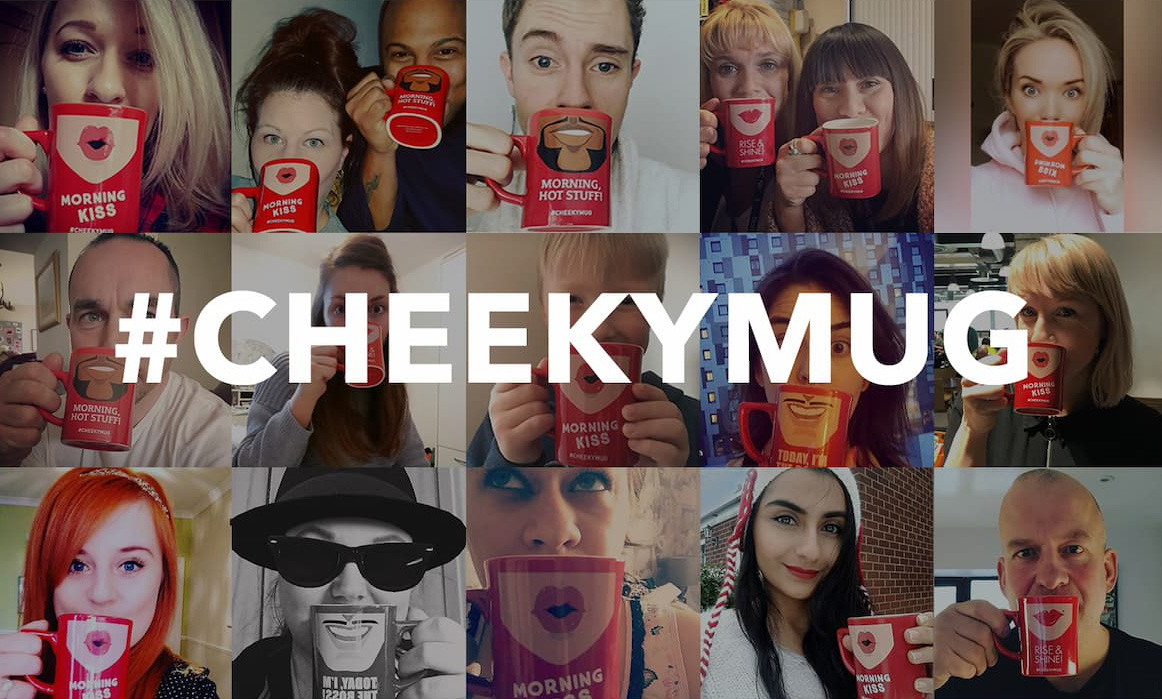
it is a powerful tool for amplifying brand experience. It allows brands to connect with customers in real-time and create a sense of community. Brands can use social media to share user-generated content, respond to customer feedback, and create engaging campaigns that encourage customers to share their experiences.
Netflix social media
A language close to users, winning people’s hearts.

Every aspect of a brand – verbal or visual – should work together to create a cohesive and memorable experience. From graphic to business design, we believe that design foremosts a way of thinking that uses specific methodologies to solve problems based on consumer experience. We work beyond the surface of our clients’ businesses, fully meeting their needs through projects that include branding consultancy for FMCG, service design, marketing, and business modeling.
If you are interested to explore the experience potential of your brand, do not hesitate to contact us.
“Meeting the needs of present generations without compromising the ability of future generations to meet their own ones.” – United Nations about food sustainability.
With sustainability becoming increasingly urgent in productive spheres, the agri-food industry stands at the forefront as one of the most concerned industries with this concept. Between fighting against waste and advocating for low ecological footprint consumption, sustainable food lies at the heart of tomorrow’s challenges.
But what role does design play in all of this? By combining creativity, functionality, and sustainability, design offers new perspectives to rethink our way of producing, distributing, and consuming food. It plays an essential role in creating innovative solutions that promote environmentally friendly and socially responsible food.
Whether it’s products, packaging, or food systems, let’s focus on the pillars of design that advocate for sustainability in food.
A people-focused methodology, Design for Behavior Change aims to encourage change and develop solutions that help individuals adopt new behaviors that benefit themselves and the planet.
To deepen the concept, Lígia Dembinski, Design Manager & ESG Leader at CBA B+G, wrote an article that brings concrete examples of businesses that aim to develop brand-user relationships, looking at design as an amplifier of environmental awareness. It’s worth a read.
Facing growing environmental impact, eco-friendly design plays a crucial role in reducing food waste. The use of recyclable materials allows for eco-designed packaging to drastically reduce the amount of plastic used. Make way for biodegradable, compostable, and recyclable packaging, which offer thoughtful alternatives to single-use items.
Por quase 15 anos, DADDY, marca francesa líder em sua categoria, vem colaborando com a CBA Design para trazer de volta o significado do uso do açúcar, reinventando-o na vida cotidiana. A agência escolheu uma inovação radical de produto, o papel kraft; uma embalagem 100% reciclável que reduz significativamente o impacto ambiental do usuário e, ao mesmo tempo, permanece resistente às condições mais extremas da confeitaria. Em termos concretos, esse projeto concilia significado e utilidade para essa marca histórica.
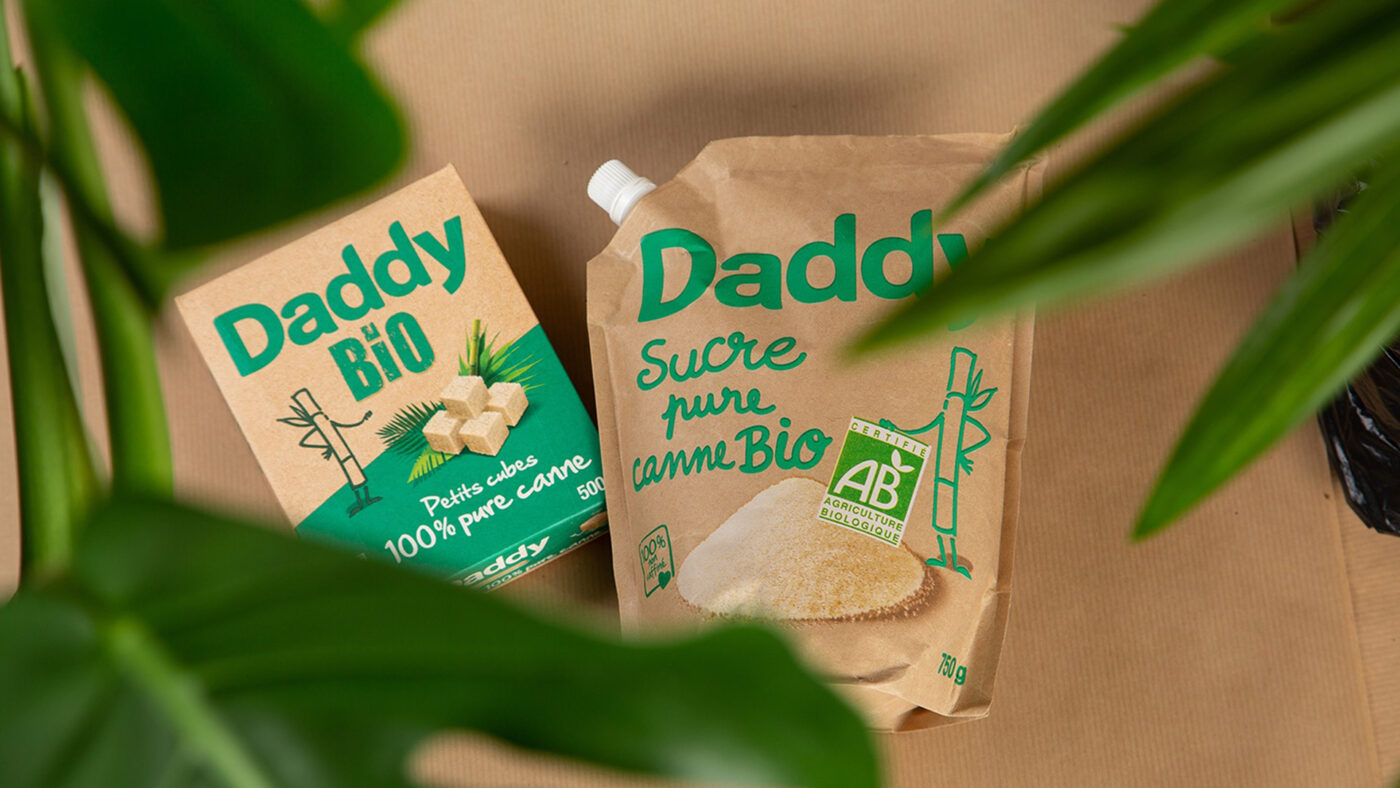
Many designers are now reimagining the way food products are made. From the creation of plant-based meat substitutes to the development of fairer supply chains, food design emphasizes sustainable ingredients to meet the needs of the planet and health-conscious consumers.
Raízes do Campo, innovating through Agroecology
A business with a bold proposal: to offer healthy food by bridging the gap between those who produce and those who consume, with the aim of being a value agent for a more sustainable and healthy production chain, based on processes that generate value for farming families, considering ecological, cultural and economic principles.
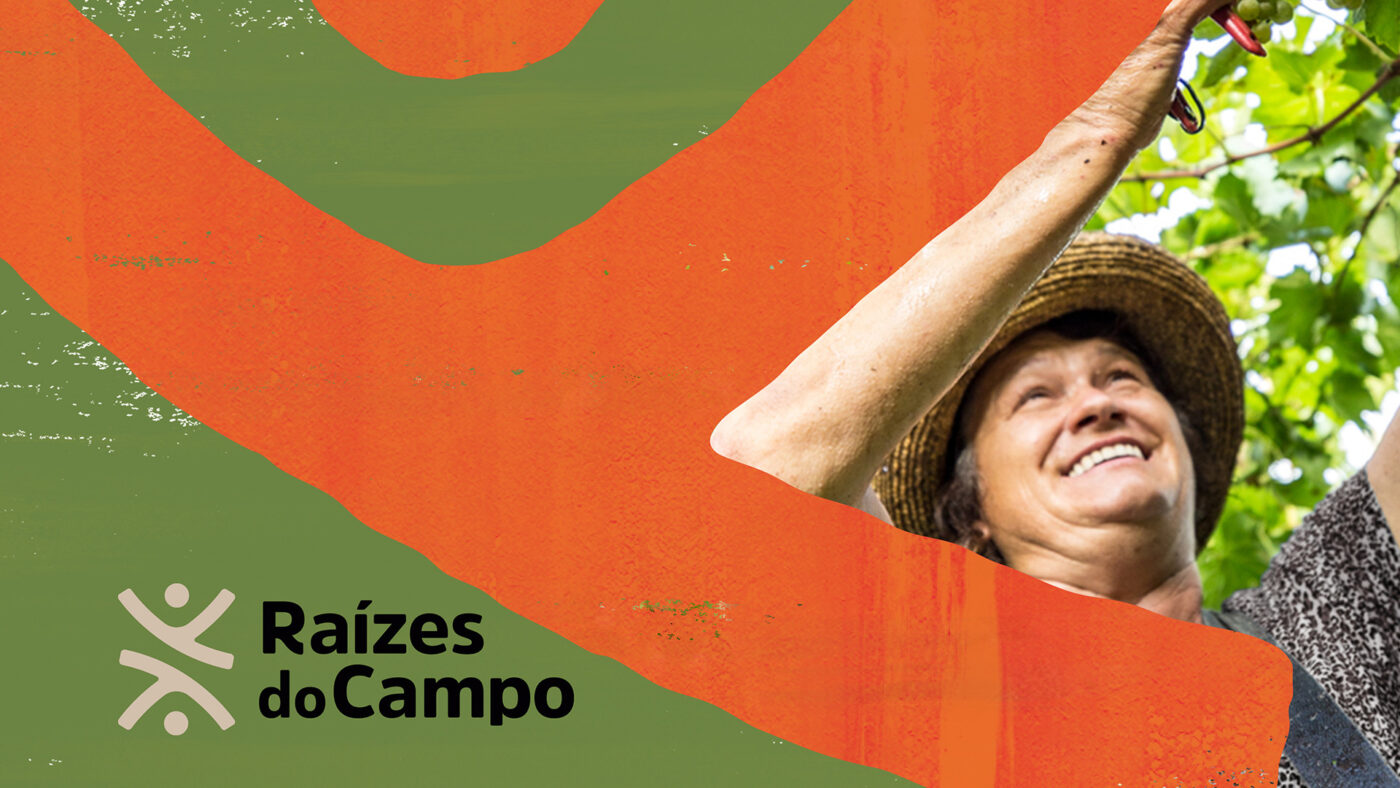
Design goes beyond individual products and also applies at the scale of food systems. Creating shorter supply chains, optimizing logistics, reducing food waste… Design Thinking strategies answer numerous needs and promise a better future. In a world where 2.5 billion meals are wasted every year, an increasing number of innovative initiatives are emerging.
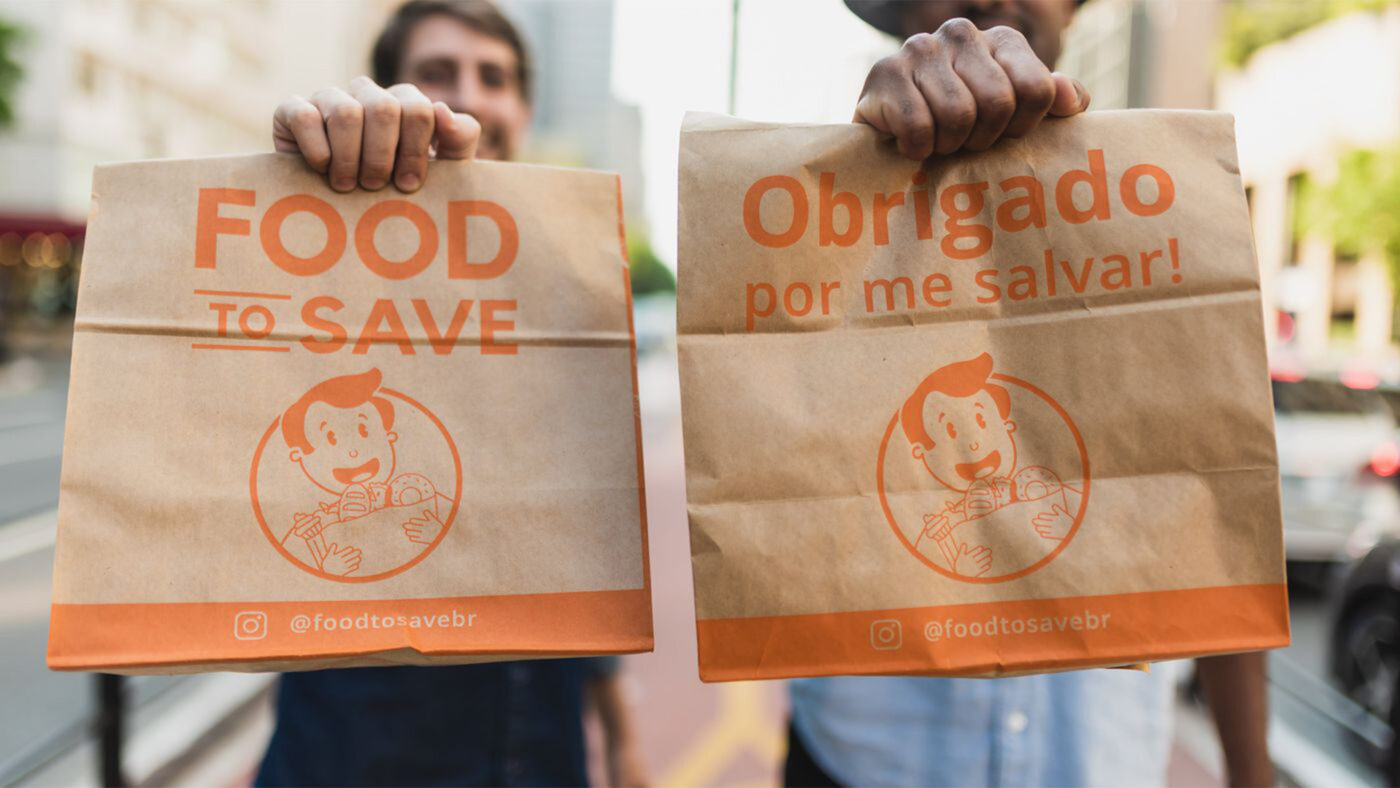
In Brazil, 15 million tons of food are wasted every year. FOOD TO SAVE app fights against food waste by rescuing unsold items and turning them into food baskets at advantageous prices. The solution already has more than two thousand establishments in the country, which are together in this cause.
Sustainable food is a complex challenge, but design offers remarkable opportunities to find innovative and creative solutions. By encouraging collaboration between designers, brands, and consumers, let’s create a future where design and sustainable food go hand in hand to build a better world.
Privacy Overview